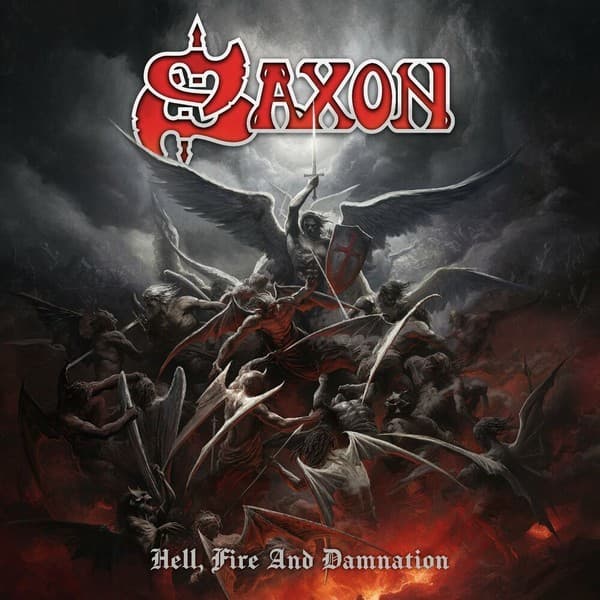
Hell, Fire and Damnation Guitar Tone - Amp Settings for Every Track
Translate any Hell, Fire and Damnation track to your gear
Median knob positions across the 6 guitar tracks we've broken down from this record, on the amps they were tracked with. A starting point for the album's sound; pick a track below for its exact recipe.
- Gain
- 7.5
- Bass
- 6
- Mid
- 6
- Treble
- 6.5
- Presence
- 6
- Volume
- 7
What Saxon Used on Hell, Fire and Damnation
Every Hell, Fire and Damnation Tone You Can Dial In
- The Prophecy
- Hell, Fire and DamnationMarshall JCM800 2203
- 1066
- Madame Guillotine
- Super Charger
- There's Something in Roswell
6 of this record's tracks are broken down so far. Most popular first.
Common Questions About the Hell, Fire and Damnation Tone
What amp was Hell, Fire and Damnation recorded with?
Every one of the Hell, Fire and Damnation tracks in our catalog was tracked on a Marshall JCM800 2203. ToneMirror rewrites those settings for whatever amp you own - a different EQ curve and gain structure landing on the same recorded sound.
What guitar was used on Hell, Fire and Damnation?
The Gibson Flying V appears on the most Hell, Fire and Damnation tracks in our catalog. You don't need one - the settings are calibrated to the recorded tone, so they translate to the guitar you already have.
What amp settings do I need for the Hell, Fire and Damnation sound?
Across the 6 guitar tracks from Hell, Fire and Damnation we've catalogued, the median is gain 7.5 (range 7.5–7.5), with bass 6, mid 6, treble 6.5 on a 0–10 scale. That's the record's window rather than any one song's recipe - pick a track above for the exact knob positions it was recorded with.
How many Hell, Fire and Damnation songs can I dial in here?
ToneMirror has 6 tracks from Hell, Fire and Damnation broken down, including "The Prophecy" and "Hell, Fire and Damnation". Each carries the original amp settings, pickup position, tuning, and pedal chain, plus a per-rig adaptation for your own gear.