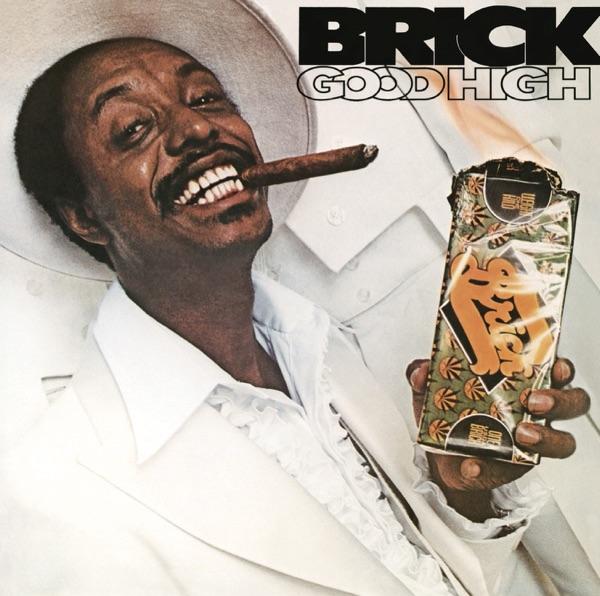
How to Dial In "Dazz" by Brick - Bass Tone Settings
The Gear Behind "Dazz"
Original Knob Positions, Pickup, and Tuning
Where to set the knobs for this tone. Each value is on the standard 0–10 amp scale.
These numbers are for an Ampeg B-15N Portaflex. On your amp, they won't sound the same.
Get the settings for my ampHow the artist had their bass configured for this take.
Ray Ransom's line is the hinge between the disco and jazz halves of Brick's sound — fingerstyle sixteenths with hard, even attack and clipped, deliberately short notes so the groove breathes between hits. Keep enough treble that the pluck is audible but not slapped; the tone is articulate, not bright. Getting the muting right matters more than the notes: every note is cut off early with the fretting hand.
Common Questions About the "Dazz" Tone
What bass did Brick use on "Dazz"?
Brick tracked "Dazz" on a Jazz Bass (released 1976). The Fender Vintera '70s Jazz Bass named above is a modern equivalent, not the bass on the record. Pickup selector: neck + bridge (position 3 / out-of-phase) on the bass. Tuned to standard (bass) (E A D G).
What amp settings does "Dazz" need?
On Ampeg B-15N Portaflex: Gain 3, Bass 6, Mid 6, Treble 6, Presence 5, Volume 6. Each value is on the standard 0–10 amp scale; match them on your amp first, then nudge to taste. ToneMirror can translate these positions for whatever amp you actually own.
Can I play "Dazz" without an Ampeg B-15N Portaflex?
Yes. ToneMirror takes the original recipe above and adapts it to your guitar, amp, and pedals - so you can chase the "Dazz" tone on a Katana, a Helix, a tube combo, or anything else. The translation accounts for EQ curve, gain structure, and pickup type so the result actually sounds like the record, not just the same knob numbers on different gear.
More Tones You Can Dial In
Tone references for "Dazz" by Brick are provided for educational use. ToneMirror is not affiliated with the artists or labels referenced.