How to Dial In "Pressure Points" by Camel - Guitar Tone Settings
Gear for "Pressure Points"
Suggested rig · the original isn't documented.
Knob Positions, Pickup, and Tuning
Where to set the knobs for this tone. Each value is on the standard 0–10 amp scale.
On your amp, these numbers won't sound the same.
Get the settings for my ampHow the artist had their guitar configured for this take.
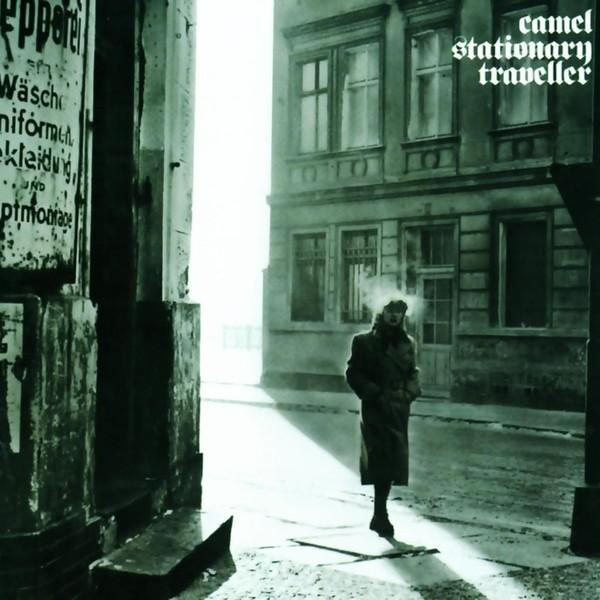
From Stationary Traveller (1984). Stationary Traveller is the tenth studio album by English progressive rock band Camel. No source we found ties a guitar or amp to this recording, so a Gibson Les Paul Standard '60s through a Marshall 1959SLP Plexi Super Lead Reissue, the rig we use for Camel's other songs from Stationary Traveller, stands in. Set the amp to a light crunch and use the neck pickup. Standard tuning.
Common Questions About the "Pressure Points" Tone
What guitar did Camel use on "Pressure Points"?
The guitar on "Pressure Points" (released 1984) isn't documented; the Gibson Les Paul Standard '60s above gets the sound. Pickup selector: neck pickup on the guitar. Tuned to standard (E A D G B E).
What amp settings does "Pressure Points" need?
Settings for this sound: Gain 5, Bass 5, Mid 6, Treble 6, Presence 5.5, Volume 6.5. Each value is on the standard 0–10 amp scale; match them on your amp first, then nudge to taste. ToneMirror can translate these positions for whatever amp you actually own.
Can I play "Pressure Points" without the original gear?
Yes. ToneMirror takes the settings above and adapts it to your guitar, amp, and pedals - so you can chase the "Pressure Points" tone on a Katana, a Helix, a tube combo, or anything else. The translation accounts for EQ curve, gain structure, and pickup type so the result actually sounds like the record, not just the same knob numbers on different gear.
More Tones You Can Dial In
Tone references for "Pressure Points" by Camel are provided for educational use. ToneMirror is not affiliated with the artists or labels referenced.