In this guide · 10 sections
- 1The sound is a cranked tube amp
- 2Mid-forward EQ: why classic rock never scoops
- 3Pickups: the bridge humbucker and the Strat sound
- 4Roll back the guitar's volume, not the amp's
- 5The pedals the era actually relied on
- 6Tuning: mostly standard, but check first
- 7Getting cranked-amp crunch without the volume
- 8The shortcut: the exact settings for your rig
- 9Songs to try it on
- 10FAQ
Classic rock tone is a loud tube amp doing most of the work: a Marshall-style amp turned up until it crunches, mids at or above noon, bass moderate, treble and presence around the middle, through the bridge humbucker of a Les Paul or SG or a Strat's bridge pickup. Clean up with the guitar's volume knob, not the amp, and add the era's few pedals - fuzz, wah, treble booster, phaser, tape echo - only where a song needs them.
- The crunch is a tube amp turned up until it breaks up, not a distortion pedal.
- Keep the mids at or above noon - classic rock guitar lives in the midrange.
- Set the amp for your dirtiest sound and clean up with the guitar's volume knob.
- The era's pedal list is short: fuzz, treble booster, wah, phaser, Uni-Vibe and tape echo.
- Check the tuning: Hendrix, early Van Halen and Appetite-era Guns N' Roses tuned a half step down.
The sound is a cranked tube amp
Classic rock crunch wasn't built on a distortion pedal. It came from tube amps - Marshall, Hiwatt, Vox, Fender - turned up until the amp itself distorted. Most amps of the late 60s and early 70s had no master volume, so the only way to get crunch was to turn up until the preamp and the power tubes started to break up. Marshall didn't add master-volume models until the mid-70s.
Why power-tube breakup sounds different
When the power tubes distort, the amp compresses, notes bloom and sustain, and the distortion follows your picking: dig in and it growls, play softly and it cleans up. That touch sensitivity is as much the classic rock sound as the tone itself, and it's why a distortion pedal into a clean amp sounds flatter and less alive next to the records.
AC/DC's records are the textbook example: Angus Young's SG into a loud Marshall, essentially no pedals. Listen to how much less distortion there is than you remember - chords ring with every note audible, and the size comes from volume and two rhythm guitars panned apart.
See the full rig and settings for “Back in Black” →
Getting there on a vintage-style amp
- On a non-master amp (Plexi, JTM45, Bassman-style), the volume knob is your gain control. The crunch usually arrives somewhere past halfway. Turn up until a power chord crunches while single notes on the high strings stay mostly clear - that is the classic rhythm setting, and the solo gets more from your picking and the guitar's volume.
- On a four-input Plexi-style head, many players “jump” the channels with a short cable between the bright and normal inputs, then blend the two volumes for a fuller sound.
- Keep the bass modest - around 3 to 5. A cranked amp into a 4x12 has plenty of low end, and too much makes it flub.
Mid-forward EQ: why classic rock never scoops
Classic rock guitar lives in the midrange. That's where the crunch of a power chord and the bite of a riff sit, and it's what lets one guitar fill the space between the bass and the vocal. The typical shape is mids at or above noon, bass a little below them, and treble and presence around the middle. Here are the medians across the classic and hard rock guitar tones we have documented:
Read the shape rather than the numbers: no knob pushed to an extreme, mids holding their own, gain short of the top. Compare it with other styles in the free amp settings tool.
Adjusting for your amp
- Marshall-style amps are already mid-forward. Start with mids around 6 to 7, bass 4 to 5, treble 6 and presence 5, then adjust by ear.
- Fender-style amps have a mid scoop built into the tone stack, and many have no mid knob at all. Push the mids if you can, keep the treble from running away, and use an overdrive with a mid hump to fill the gap.
- Vox AC30-style amps chime in the upper mids. If yours has a Cut knob, it works backwards: turning it up removes treble.
Pickups: the bridge humbucker and the Strat sound
Two guitar sounds cover most of classic rock. The first is a humbucker on the bridge of a Les Paul or SG: thick, loud and mid-heavy, hitting the amp hard enough to crunch on its own. The second is a Stratocaster into a cranked amp - brighter, more open and more cutting, the sound of Jimi Hendrix's and Ritchie Blackmore's Strats into loud Marshalls.
| Pickup | Into a cranked amp | Use it for |
|---|---|---|
| Bridge humbucker | Thick, loud, mid-heavy crunch | Riffs, power chords, most rhythm parts |
| Neck humbucker | Warm, round, singing | Leads, especially with the tone rolled back |
| Strat bridge | Bright, cutting, open | Riffs and leads with bite; needs more gain |
| Strat in-between positions | Hollow and glassy | Cleaner rhythm and lighter parts |
| P-90 | Raw and gritty, between the two | Rough, aggressive riffing |
| Telecaster bridge | Twangy and aggressive | Riffs that need to slice through |
If your guitar has single coils and the song was cut on a humbucker, add a little gain (or a boost) and a little mids; going the other way, back the gain off. A Strat's bridge pickup into a cranked amp can get shrill, so roll its tone back a touch if your guitar allows it. Single coils can rock plenty when the amp is loud - Jimmy Page recorded most of Led Zeppelin's first album on a Telecaster. More on each position in pickup positions explained.
The “woman tone”
Eric Clapton's “woman tone” from his Cream years is the famous use of the guitar's tone knob: neck humbucker, tone rolled almost all the way off, into a cranked Marshall. The result is thick, vocal and slightly muffled, with the amp's breakup doing the singing. Try it on any lead that sounds smooth rather than biting.
Roll back the guitar's volume, not the amp's
On a cranked amp, your guitar's volume knob is a gain control. Set the amp for the dirtiest sound the song needs with the guitar on 10, then roll back to clean up: around 7 or 8 for a lighter rhythm crunch, 4 to 6 for a nearly clean but still fat sound, and back to 10 for the solo. Players switched sounds this way for decades without touching a pedal.
- It works best with vintage-output pickups and non-master amps. High-output humbuckers and high-gain channels clean up less.
- Rolling back can dull the treble. A treble bleed mod (a small capacitor, often with a resistor, across the volume pot) keeps the sparkle as you turn down.
- Long cables lose more treble when the guitar's volume is down. Keep the first cable short, or use a buffered pedal early in the chain - but not in front of a vintage fuzz.
- Vintage-style fuzz cleans up with the guitar's volume too - a germanium Fuzz Face goes from roar to near-clean - as long as nothing buffered sits in front of it.
The pedals the era actually relied on
Classic rock pedalboards were small or nonexistent. Where pedals were used, they came from a short list, and each had a specific job rather than being the main source of distortion.
| Pedal | What it does | How to set it | Hear it on |
|---|---|---|---|
| Fuzz | Thick, saturated, woolly sustain | First in the chain; guitar volume cleans it up | Purple Haze; Satisfaction |
| Treble booster | Pushes a cranked amp harder with extra upper mids | Level up into an amp already crunching | Brian May with Queen; early Black Sabbath |
| Wah | Vocal, sweeping filter | Rock it in time, or park it part-open | Voodoo Child (Slight Return); White Room |
| Phaser | Slow, swirling movement | Slow speed, before the amp | Van Halen's early records |
| Uni-Vibe | Throbbing, chorus-like swirl | Slow to medium speed | Hendrix's Machine Gun; Robin Trower's Bridge of Sighs |
| Tape echo | Warm, slightly wobbly repeats | One to three repeats, mix low | Jimmy Page and Eddie Van Halen's Echoplexes |
You rarely need the vintage unit - any pedal from the same family, set to do the same job, gets close:
- No treble booster? An overdrive with the drive down, level up and tone past noon does a similar job into an amp that is already crunching.
- No fuzz?Fuzz is its own sound, but your amp's dirtiest channel with the bass up and the treble down gets into the neighborhood.
- Phaser and vibe: keep the speed slow. Slow movement sounds like part of the riff; fast movement sounds like a special effect.
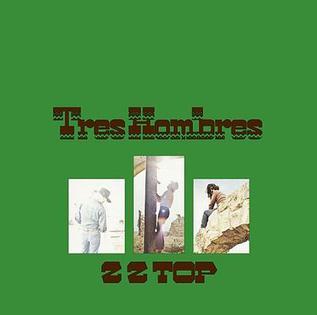
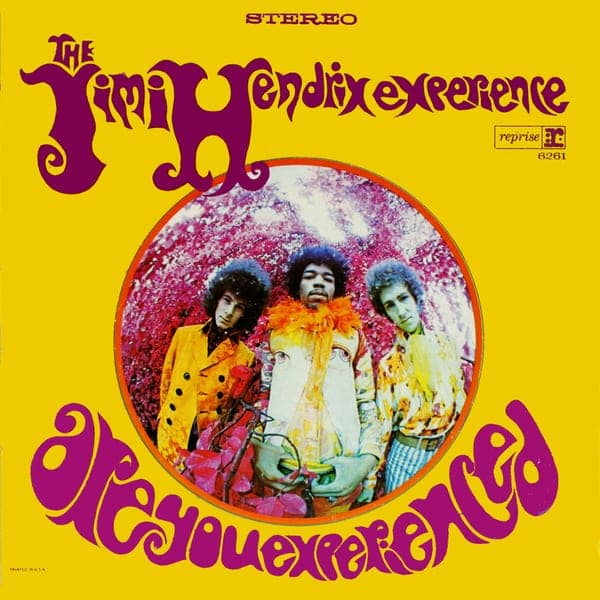
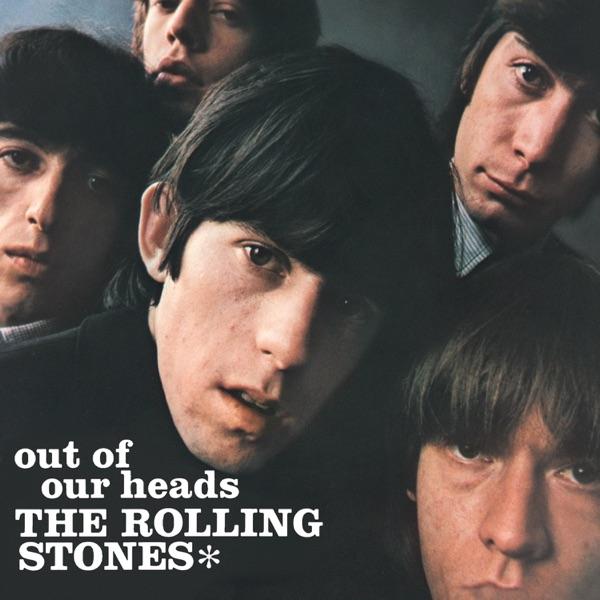
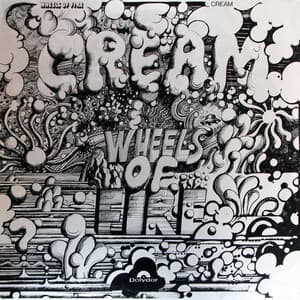
Order matters too: vintage fuzz wants to see the guitar directly, and the pedal order guide covers the rest. Hear each one on the record:
Tuning: mostly standard, but check first
Most classic rock is in standard tuning, but a lot of famous records aren't - and if you play along a half step off, nothing sounds right however good the tone is.
- E♭ standard(every string a half step down): Jimi Hendrix tuned down for much of his career, as did Van Halen on their early records and Guns N' Roses on Appetite for Destruction. Chord shapes stay the same, bends get easier and the sound darkens slightly.
- Open G: Keith Richards' five-string open G, with the low string removed, drives “Brown Sugar,” “Honky Tonk Women” and “Start Me Up.” One finger across the strings plays a major chord, which is where those riffs come from.
- Other alternates turn up too - Led Zeppelin used several open and altered tunings.
Tune with the free online guitar tuner, and see the guitar tunings guide for the rest.
Getting cranked-amp crunch without the volume
Few players can run a 100-watt Marshall flat out at home, and you don't have to. The goal is the same breakup character at a volume you can live with.
- Master-volume amp or crunch channel: set the preamp gain for the crunch you want and the master for loudness. Preamp crunch fizzes sooner than power-tube crunch, so keep the gain a little lower than it wants to go.
- Low-wattage tube amp: a few watts reaches power-tube breakup at a fraction of the volume.
- Attenuator: sits between amp and speaker so a bigger amp can run hot more quietly.
- Low-gain overdrive into a clean amp: drive low, level above unity - much closer than a high-gain distortion.
- Modeler or amp sim: pick a Plexi, JTM45, Hiwatt or AC30 model, set its gain where the real amp would be cranked, and control loudness with the output level.
Then pick a record and work on it:
 Electric ManRival Sons · 2014Settings & rig
 Dust in the WindKansas · 1977Settings & rig
 Baba O'RileyThe Who · 1971Settings & rig
 (Don't Fear) The ReaperBlue Öyster Cult · 1976Settings & rig
 Bad to the BoneGeorge Thorogood and the Destroyers · 1982Settings & rig
 Get It On (Bang a Gong)T. Rex · 1971Settings & rig
The shortcut: the exact settings for your rig
Classic rock tones are simple on paper - a guitar, a loud amp, maybe one pedal - and hard to transfer, because almost nobody owns a cranked late-60s Marshall. ToneMirror does that translation for a specific song. It starts from the documented guitar, amp, pedals and settings, then tells you where to set your own amp's gain and EQ for the same breakup, which pickup to use, how far to roll back your guitar's volume, the tuning, and how to cover a fuzz or treble booster with the pedals you own. Modelers get the blocks to build.
Find the song in the tone library, browse the hard rock tone pages, or start from the tone matcher.
Songs to try it on
Each of these has its recorded rig and settings on its own page - open one, then get it translated for your gear.
Frequently asked questions
What amp settings should I use for classic rock?
On a Marshall-style amp, set the volume or gain where the amp starts to crunch, then mids around 6 to 7, bass 4 to 5, treble around 6 and presence around 5. Adjust by ear against the record. The shape matters more than the numbers: mids forward, bass moderate, gain short of maximum.
Did classic rock guitarists use distortion pedals?
Mostly not. The crunch came from tube amps turned up loud, often with no master volume. The era's pedals were fuzz, treble boosters, wah, phasers, Uni-Vibes and tape echo, each used for a specific sound rather than as the main source of distortion.
What guitar and pickup do I need for classic rock?
Any guitar with a bridge humbucker covers most of it - that is the Les Paul and SG sound. A Strat into a cranked amp covers the brighter Hendrix and Blackmore side. If you have single coils and the song was recorded on a humbucker, add a little gain and mids to compensate.
How do I get a cranked Marshall sound at low volume?
Use a master-volume amp's crunch channel, a low-wattage tube amp, an attenuator, or a Plexi-style model on a modeler. Set the gain for the crunch you want and control loudness separately. Re-check the EQ at playing volume, because quiet tones tend to collect too much bass and treble.
Were classic rock songs tuned down?
Most are in standard tuning, but not all. Jimi Hendrix, early Van Halen and Guns N' Roses on Appetite for Destruction tuned down a half step, and Keith Richards used open G on many Rolling Stones songs. Check the song's tuning before you dial in the tone.
Is there an app that gives classic rock settings for my gear?
ToneMirror does this song by song. Pick the track, enter the guitar, amp or modeler and pedals you own, and it translates the original rig's settings - gain, EQ, pickup, guitar volume, tuning and pedals - to your setup.