
Songs by tuning
Tuned to drop D and want something to play? Here are the songs recorded in every common guitar and bass tuning, with how to tune to each one - and every song's rig and settings a click away.
Works with any guitar, bass, amp or modeler.
- E4String 1: E, unchanged329.6 Hz
- B3String 2: B, unchanged246.9 Hz
- G3String 3: G, unchanged196.0 Hz
- D3String 4: D, unchanged146.8 Hz
- A2String 5: A, unchanged110.0 Hz
- D2E down a whole stepString 6: D, down a whole step from E73.4 Hz
Drop D: only the low string moves.
Tuned down - same chord shapes
Every string drops by the same amount, so everything you know still works.
E♭ Standard
E♭ A♭ D♭ G♭ B♭ E♭3,800+songsEvery string down a half step. Chord shapes stay exactly the same, the strings get a little slinkier for bends, and the whole band sounds a touch darker - which is why so much classic rock, grunge and blues lives here.
6 strings retunedD Standard
D G C F A D1,700+songsEvery string down a whole step. Standard chord shapes, a heavier low end and a looser feel - a staple of doom, grunge, stoner rock and nineties metal.
6 strings retunedC♯ Standard
C♯ F♯ B E G♯ C♯240+songsEvery string down a step and a half. Familiar shapes with a cavernous low end - a favorite of sludge, stoner and heavy alternative bands.
6 strings retunedC Standard
C F B♭ E♭ G C590+songsEvery string down two whole steps. Doom, stoner and heavy rock bands use it for weight without changing a single chord shape.
6 strings retuned
Drop tunings
The low string drops further than the rest: one-finger power chords and a heavier floor.
Drop D
D A D G B E3,000+songsThe low E string drops a whole step to D, so a single finger across the bottom three strings plays a power chord. The quickest route from standard tuning to a heavier riff.
1 string retunedDrop C♯
C♯ G♯ C♯ F♯ A♯ D♯240+songsHalf-step-down tuning with the low string dropped a further whole step. Drop D's one-finger power chords, half a step lower and a little meaner.
6 strings retunedDrop C
C G C F A D2,000+songsD standard with the low string dropped to C. The tuning of a generation of metalcore, nu metal and post-hardcore - one-finger power chords with real weight behind them.
6 strings retunedDrop B
B F♯ B E G♯ C♯820+songsC♯ standard with the low string dropped to B - the lowest drop tuning most six-string guitars handle comfortably, with heavier strings.
6 strings retuned






Extended range
Baritone and seven-string territory - the lowest of the drop tunings.
Drop A♯
A♯ F A♯ D♯ G C350+songsC standard with the low string dropped to A♯. Deathcore and modern metal territory - usually a baritone or a seven-string tuned down.
6 strings retunedDrop A
A E A D F♯ B400+songsB standard with the low string dropped to A. On a regular 25.5" guitar the strings go slack, so these songs are mostly played on baritones or seven-strings.
6 strings retunedDrop G♯
G♯ D♯ G♯ C♯ F A♯43songsThe bottom of the drop family - A♯ standard with the low string at G♯. Extended-range guitars and very heavy gauges only.
6 strings retuned



Open tunings
The open strings ring a chord. Slide guitar, drones and big open riffs.
Open G
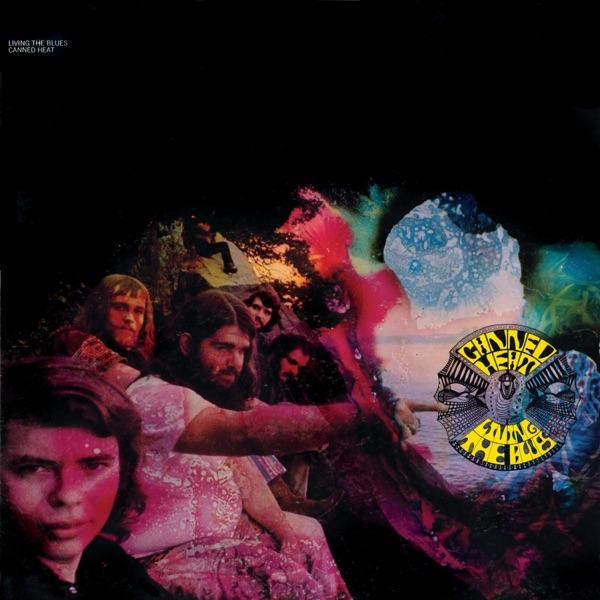
D G D G B D54songsThe open strings ring a G major chord, so one finger barred across the neck plays a full chord anywhere. The tuning behind countless slide parts and five-string riffs.
3 strings retunedOpen D
D A D F♯ A D25songsThe open strings ring a D major chord. Deep, resonant and made for slide, droning folk-rock and big open-string riffs.
4 strings retunedOpen E
E B E G♯ B E50songsThe open strings ring an E major chord. Same shapes as open D a whole step higher - bright, punchy and a slide player's favorite.
3 strings retuned
Bass tunings
For locking in with a guitarist who has tuned down.
Drop D
D A D G260+songsThe bass's low E string drops to D, matching a guitarist in drop D and adding two semitones of floor-shaking low end.
1 string retunedE♭ Standard
E♭ A♭ D♭ G♭270+songsEvery bass string down a half step, to lock in with a guitarist in E♭ standard. Same shapes, slightly looser strings.
4 strings retunedD Standard
D G C F100+songsEvery bass string down a whole step - the bassist's half of D standard, all weight and growl.
4 strings retuned


Tunings - common questions
What is the most common alternate guitar tuning?
E♭ standard (every string down a half step) and drop D (only the low E string down a whole step) are the two most common alternatives to standard tuning in recorded rock and metal, followed by D standard and drop C.
Why do bands tune down?
To suit the singer's range, to make riffs heavier, and to make the strings slinkier for bends. Tuning every string down keeps every chord shape the same, so it changes the sound without changing how the song is played.
What is the difference between drop D and D standard?
Drop D lowers only the 6th string, from E to D (D A D G B E), so a power chord is one finger. D standard lowers every string a whole step (D G C F A D), which keeps standard chord shapes but moves the whole guitar down.
How do I find out what tuning a song is in?
Each song page on ToneMirror lists the tuning used on the recording alongside the rig and amp settings. The lists here group those songs by tuning.
New to alternate tunings? Start with the guitar tunings guide.