Songs in D Standard tuning
Also called Whole step down, One step down
Every string down a whole step. Standard chord shapes, a heavier low end and a looser feel - a staple of doom, grunge, stoner rock and nineties metal.
- 1,700+
- songs
- 6
- strings to retune
- Heavy Metal
- most common genre
Every song's recorded settings, translated for your guitar, amp and pedals.
- D4E down a whole stepString 1: D, down a whole step from E293.7 Hz
- A3B down a whole stepString 2: A, down a whole step from B220.0 Hz
- F3G down a whole stepString 3: F, down a whole step from G174.6 Hz
- C3D down a whole stepString 4: C, down a whole step from D130.8 Hz
- G2A down a whole stepString 5: G, down a whole step from A98.0 Hz
- D2E down a whole stepString 6: D, down a whole step from E73.4 Hz
Highest string on top, as in tab. Highlighted strings change from standard.
The best-known songs in D Standard
Open any song for the guitar, amp and pedals used on the record, with the knob settings, pickup and tuning.
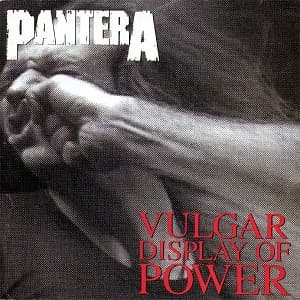 WalkPantera · 1992Settings & rig
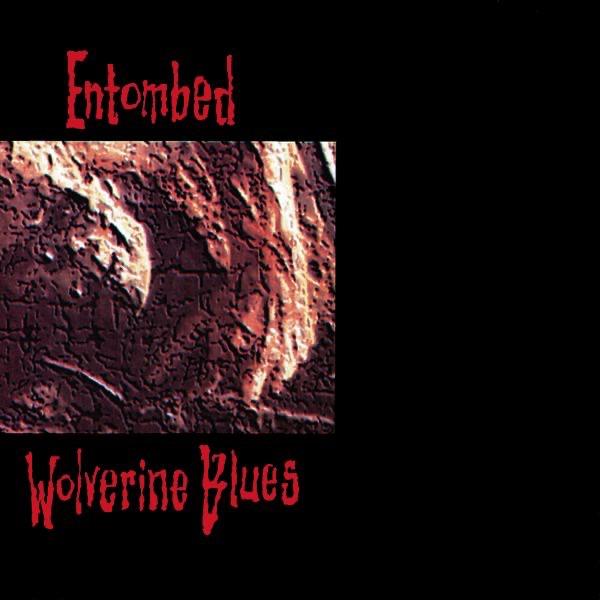 Wolverine BluesEntombed · 1993Settings & rig
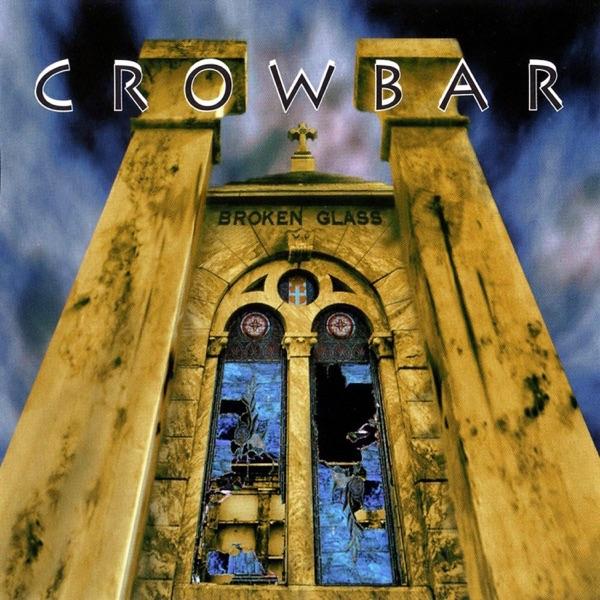 Planets CollideCrowbar · 1996Settings & rig
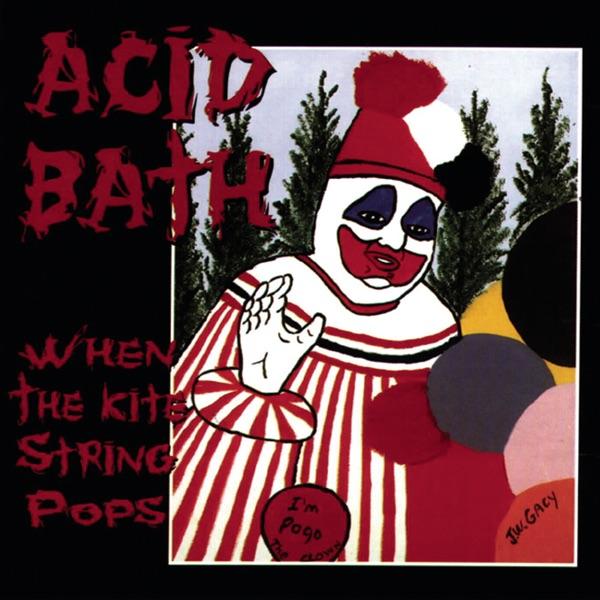 Scream of the ButterflyAcid Bath · 1994Settings & rig
 Unknown AwarenessKylesa · 2009Settings & rig
 Feels Like We Only Go BackwardsTame Impala · 2012Settings & rig
 PlushStone Temple Pilots · 1992Settings & rig
 Come As You AreNirvana · 1991Settings & rig
 Sweet LeafBlack Sabbath · 1971Settings & rig
 Marrow DeepMastodon · 2026Settings & rig
 Call Me Little SunshineGhost · 2022Settings & rig
 Two WeeksAll That Remains · 2008Settings & rig
How to tune to D Standard
Every string moves down a whole step from standard. Tune each one with a chromatic tuner until it reads:
- DString 6 (E in standard): tune down a whole step to D - 73.42 Hz
- GString 5 (A in standard): tune down a whole step to G - 98.00 Hz
- CString 4 (D in standard): tune down a whole step to C - 130.81 Hz
- FString 3 (G in standard): tune down a whole step to F - 174.61 Hz
- AString 2 (B in standard): tune down a whole step to A - 220.00 Hz
- DString 1 (E in standard): tune down a whole step to D - 293.66 Hz
| String | Note | Frequency | From standard |
|---|---|---|---|
| 1 | D4 | 293.66 Hz | down a whole step |
| 2 | A3 | 220.00 Hz | down a whole step |
| 3 | F3 | 174.61 Hz | down a whole step |
| 4 | C3 | 130.81 Hz | down a whole step |
| 5 | G2 | 98.00 Hz | down a whole step |
| 6 | D2 | 73.42 Hz | down a whole step |
Playing in D Standard
Tuning every string down keeps every chord shape and scale pattern exactly where it was, while the whole band drops into a lower, darker key - often to suit the singer, often just for weight.
- Every shape you know still works; only the pitch moves. Play along with the record and it will line up.
- Strings get slinkier as you tune down, which makes bends easier and chords a little floppier. Going up one gauge keeps the familiar feel.
- After a big drop, re-check intonation and neck relief - lower tension lets the neck straighten.
- Lower tunings carry more low end into the amp. Expect to trim the bass and lift the mids to keep riffs defined.
More on why bands tune down, and every common tuning side by side, in the guitar tunings guide.
Artists who play in D Standard
Among the most-played songs in this tuning. Each artist page has their tones and most-used rig.
Genres that use D Standard
More songs in D Standard
Ordered by popularity. Every song links to its rig and settings.
- This Love - Pantera
- Sabbath Bloody Sabbath - Black Sabbath
- Wheels of Confusion - Black Sabbath
- Snowblind - Black Sabbath
- Mouth for War - Pantera
- Children of the Grave - Black Sabbath
- In The Ruins - Mastodon
- Symptom of the Universe - Black Sabbath
- He Is - Ghost
- Ritual - Ghost
- Satanized - Ghost
- 5 Minutes Alone - Pantera
- One Man Army - Ensiferum
- I'm Broken - Pantera
- Cirice - Ghost
- Mystery - Turnstile
- Hypnotize - System of a Down
- Regular People (Conceit) - Pantera
- Yesterday Don't Mean Shit - Pantera
- What Color Is Death - Acid Bath
- Territory - Sepultura
- Blackout - Turnstile
- L'Enfant Sauvage - Gojira
- Puppet Parade - Megadeth
- Born for One Thing - Gojira
- Silvera - Gojira
- Fucking Hostile - Pantera
- Rise - Pantera
- Regal Begal - Fu Manchu
- Stranded - Gojira
- Crack the Skye - Mastodon
- Tipping Point - Megadeth
- The Thing That Should Not Be - Metallica
- Dark Chest of Wonders - Nightwish
- A New Level - Pantera
- Dead & Bloated - Stone Temple Pilots
- Fly Again - Turnstile
- Beyond the Dark Sun - Wintersun
- The Heaviest Matter of the Universe - Gojira
- Blood and Thunder - Mastodon
- Wicked Garden - Stone Temple Pilots
- Holiday - Turnstile
- Slowly We Rot - Obituary
- Megalodon - Mastodon
- Symbolic - Death
- Backbone - Gojira
- We'll Be Back - Megadeth
- Oblivion - Mastodon
- End of All Hope - Nightwish
- Wish I Had an Angel - Nightwish
- Lounge Fly - Stone Temple Pilots
- Becoming - Pantera
- Toxic Garbage Island - Gojira
- Downfall - Children of Bodom
- Sleeping on the Blacktop - Colter Wall
- The Artist in the Ambulance - Thrice
- Good Friends and a Bottle of Pills - Pantera
- Nemesis - Arch Enemy
- T.L.C. (Turnstile Love Connection) - Turnstile
- Concrete Jungle - Black Label Society
- After Forever - Black Sabbath
- In My Blood - Black Stone Cherry
- Last to Know - Bullet for My Valentine
- Hold On - Good Charlotte
- Rule the World - Kamelot
- Requiem - Killing Joke
- The Wait - Killing Joke
- Warriors of the World United - Manowar
- Without You - Mötley Crüe
- Amaranth - Nightwish
- The Phantom of the Opera - Nightwish
- Gravity Storm - Steve Vai
- NEVER ENOUGH - Turnstile
- The Devil's Bleeding Crown - Volbeat
- Marrow - Yob
- Our Raw Heart - Yob
- I Sever - Sylosis
- By a Monster's Hand - Volbeat
- In the Dark - Bring Me the Horizon
- The New Flesh - Sylosis
- LIGHT DESIGN - Turnstile
- By Demons Be Driven - Pantera
- Crystal Skull - Mastodon
- Colony of Birchmen - Mastodon
- Trapped in a Corner - Death
- Sweet Mountain River - Monster Truck
- Crystal Mountain - Death
- Six - All That Remains
- War Eternal - Arch Enemy
- Parade of the Dead - Black Label Society
- Sacred Serenity - Death
- Zombie Ritual - Death
- Hunter's Moon - Ghost
- Jesus He Knows Me - Ghost
- Respite on the Spitalfields - Ghost
- Gods of Violence - Kreator
- All in the Name of... - Mötley Crüe
- Élan - Nightwish
- The End Complete - Obituary
- Let Me Hear You Scream - Ozzy Osbourne
- Too Many People - Paul McCartney
- Erased - Sylosis
- Fallen - Volbeat
- medicine - Bring Me the Horizon
- Guiding Lights - Ghost
- Infernal Death - Death
- Within the Mind - Death
- Cenotaph - Ghost
- Our Time Is Now - Gojira
- Eighties - Killing Joke
- Missilia Amori - Ghost
- Enemy of God - Kreator
- I Don't Care - Megadeth
- Ride the Lightning - Megadeth
- Perfume of the Timeless - Nightwish
- In the Barn of the Goat Giving Birth to Satan's Spawn in a Dying World of Doom - Volbeat
- Flying Whales - Gojira
- Nothing Left - As I Lay Dying
- De Profundis Borealis - Ghost
- Marks of the Evil One - Ghost
Show 228 more songs
- Our Solemn Hour - Within Temptation
- The Vanishing - Mastodon
- An Ocean of Strange Islands - Nightwish
- Cinnamon Girl - Neil Young
- Back in the Game - Airbourne
- A Horse Called Golgotha - Baroness
- Overlord - Black Label Society
- Hate Me! - Children of Bodom
- Leprosy - Death
- Spirit Crusher - Death
- Spiritual Healing - Death
- The Philosopher - Death
- Darkness at the Heart of My Love - Ghost
- It's a Sin - Ghost
- Lachryma - Ghost
- Clone - Gojira
- Snakes for the Divine - High on Fire
- Pandemonium - Killing Joke
- Satan Is Real - Kreator
- Hey, God?! - Megadeth
- Don't Go Away Mad (Just Go Away) - Mötley Crüe
- Bye Bye Beautiful - Nightwish
- Ever Dream - Nightwish
- I Want My Tears Back - Nightwish
- Storytime - Nightwish
- Dying - Obituary
- As I Die - Paradise Lost
- Never Gonna Stop (The Red, Red Kroovy) - Rob Zombie
- Heaven nor Hell - Volbeat
- The Bee - Amorphis
- Too Bad - Rival Sons
- Dying for an Angel - Avantasia
- Clouds Over California - DevilDriver
- Gateways - Dimmu Borgir
- The Small Hours - Metallica
- Her Ghost in the Fog - Cradle of Filth
- Obey the Call - Megadeth
- The Last Note - Megadeth
- Shtil' - Aria
- Already Gone - Bayside
- Another Bad Day - Megadeth
- I Am War - Megadeth
- Always - Saliva
- The Serpentine Offering - Dimmu Borgir
- Dogs of War - Mötley Crüe
- Time for Change - Mötley Crüe
- Bless the Child - Nightwish
- House of Sleep - Amorphis
- A Broken Man - Dream Theater
- The Silver Cord - Gojira
- Jeremy's Storm - Tame Impala
- Devils Are Awake - Volbeat
- Cruelty Brought Thee Orchids - Cradle of Filth
- Heart Like a Grave - Insomnium
- Made to Kill - Megadeth
- Runway, Houses, City, Clouds - Tame Impala
- The Death of Love - Cradle of Filth
- Helter Skelter - Mötley Crüe
- Manifest - Sepultura
- Not Alone - All That Remains
- Like Broken Glass - Crowbar
- Flattening of Emotions - Death
- Lack of Comprehension - Death
- Endless Sacrifice - Dream Theater
- Never Enough - Dream Theater
- Phantom of the Opera - Ghost
- Secular Haze - Ghost
- Twenties - Ghost
- Year Zero - Ghost
- No Surrender - Judas Priest
- Unleashed - Killswitch Engage
- Hordes of Chaos (A Necrologue for the Elite) - Kreator
- Dystopia - Megadeth
- Failure's Not Flattering - New Found Glory
- Scaretale - Nightwish
- Edge of Thorns - Savatage
- Sunday Morning - The Velvet Underground
- Eatin' Dust - Fu Manchu
- Verse Chorus Verse - Nirvana
- Napalm in the Morning - Sodom
- Idolatrine - Ghost
- Fazed Out - Turnstile
- Knight of the Wind - Crush 40
- Ghuleh/Zombie Queen - Ghost
- If You Have Ghosts - Ghost
- Evolution (The Grand Design) - Symphony X
- Crystal Ball - Candlemass
- Story to Tell - Death
- Spheres of Madness - Decapitated
- Miasma - Ghost
- Epitaph - God Is an Astronaut
- Tyrants - Immortal
- The Badge - Pantera
- Confined - As I Lay Dying
- Wisdom Comes - Gojira
- 666 – World Divided - Kreator
- It Dwells in Me - All That Remains
- Warheart - Children of Bodom
- Silverflame - Dizzy Mizz Lizzy
- Rattlesnake Shake - Mötley Crüe
- The Stillborn One - Necrophagist
- Dead Gardens - Nightwish
- The Weak Willed - All That Remains
- Towards Dead End - Children of Bodom
- Dusk and Her Embrace - Cradle of Filth
- Born Dead - Death
- Together as One - Death
- Depth of Satan's Eyes - Ghost
- Slice of Your Pie - Mötley Crüe
- Fermented Offal Discharge - Necrophagist
- Shudder Before the Beautiful - Nightwish
- M-16 - Sodom
- Nevermore - Symphony X
- At Wit's End - Dream Theater
- In the Forest - Gojira
- If I Die Tomorrow - Mötley Crüe
- She Goes Down - Mötley Crüe
- Emily - Ayron Jones
- Follow the Reaper - Children of Bodom
- Hate Crew Deathroll - Children of Bodom
- Flesh and the Power It Holds - Death
- Voice of the Soul - Death
- Once Upon the Cross - Deicide
- Flawless - Dorothy
- Lost Not Forgotten - Dream Theater
- Blacklist - Exodus
- Con Clavi Con Dio - Ghost
- Faith - Ghost
- Majesty - Ghost
- Witch Image - Ghost
- Another World - Gojira
- Fire Is Everything - Gojira
- Inward Movement - Gojira
- Give a Little Bit - Goo Goo Dolls
- Asleep in the Deep - Mastodon
- I Am Ahab - Mastodon
- The Czar - Mastodon
- The Sick, the Dying... and the Dead! - Megadeth
- Saints of Los Angeles - Mötley Crüe
- Diminished to B - Necrophagist
- Last Ride of the Day - Nightwish
- Planet Hell - Nightwish
- Will You - P.O.D.
- Revolution Is My Name - Pantera
- Embers Fire - Paradise Lost
- Angel's Son - Sevendust
- Screaming Bloody Murder - Sum 41
- Spared from the Guillotine - Sylosis
- Smoke and Mirrors - Symphony X
- The Things I've Seen - Tremonti
- Alien Love Call - Turnstile
- Shotgun Blues - Volbeat
- Open Casket - Death
- A Rite of Passage - Dream Theater
- Fallen - Symphony X
- Become the Catalyst - All That Remains
- Empty Inside - All That Remains
- Ignominious & Pale - Necrophagist
- Altering the Future - Death
- Living Monstrosity - Death
- Totalitarian Terror - Kreator
- Blue Walsh - Mastodon
- Seven - Necrophagist
- Piss - Pantera
- Isolation - Sepultura
- The Way of the Fire - Wintersun
- One Rode to Asa Bay - Bathory
- Chokehold (Cocked 'n' Loaded) - Children of Bodom
- Overactive Imagination - Death
- Epitaph - Necrophagist
- Only Ash Remains - Necrophagist
- Storm - Wintersun
- Black Widow - Children of Bodom
- Dead Man's Hand on You - Children of Bodom
- A Moment of Clarity - Death
- Umbra - Ghost
- Nomad - Sepultura
- Underworld - Symphony X
- Casanova, Baby! - The Gaslight Anthem
- Wrath Within - Children of Bodom
- Ember City - Mastodon
- The Emperor - Megadeth
- Out of the Ashes - Symphony X
- Joseph Merrick - Mastodon
- Foul Body Autopsy - Necrophagist
- Cassis - The Gazette
- Persona Non Grata - Exodus
- Salt the Wound - Exodus
- Iconoclast - Symphony X
- Children of a Worthless God - Exodus
- Cold Dark Place - Mastodon
- Symbiotic in Theory - Necrophagist
- Yours Is an Empty Hope - Nightwish
- Burnin' Bridges - Slaughter
- The Sovereign - Aephanemer
- Falling Snow - Agalloch
- For Salvation - All That Remains
- Whispers (I Hear You) - All That Remains
- Sacrifice - Amorphis
- Downright Dominate - Annihilator
- Too Far Gone - Annihilator
- Defender - As I Lay Dying
- Desperation Burns - Baroness
- Is There Anybody Out There? - Beyond the Black
- Death March - Black Label Society
- Better Days - Bruce Springsteen
- Watching Us Die Tonight - Bullet for My Valentine
- Who Was in My Room Last Night? - Butthole Surfers
- Demons Gate - Candlemass
- The Day and the Night - Candlemass
- Bodom After Midnight - Children of Bodom
- Bodom Beach Terror - Children of Bodom
- Hellion - Children of Bodom
- Silent Night, Bodom Night - Children of Bodom
- Hollywood - Collective Soul
- Dead Beat - Converge
- Internal Conflicts - Coroner
- Mine Are the Eyes of God - Corrosion of Conformity
- Blackest Magick in Practice - Cradle of Filth
- Hammer of the Witches - Cradle of Filth
- Nemesis - Cradle of Filth
- Nymphetamine Fix - Cradle of Filth
- Nymphetamine Overdose - Cradle of Filth
- Summer Dying Fast - Cradle of Filth
- The Foetus of a New Day Kicking - Cradle of Filth
- Empty Words - Death
- Low Life - Death
- Scavenger of Human Sorrow - Death
The full catalog has 1,700+ songs in D Standard - search the tone library for any of them.
D Standard tuning - FAQ
What songs are in D Standard tuning?
"Walk" by Pantera, "Wolverine Blues" by Entombed, "Planets Collide" by Crowbar, "Scream of the Butterfly" by Acid Bath are among the best-known. ToneMirror lists 1,700+ guitar songs recorded in D Standard, each with the rig and amp settings used on the record.
How do I tune to D Standard?
Tune every string down a whole step: D G C F A D, low to high. A clip-on or app tuner set to chromatic mode works, or use ToneMirror's free online tuner with the D Standard preset.
What are the notes and frequencies of D Standard?
D2 (73.42 Hz), G2 (98.00 Hz), C3 (130.81 Hz), F3 (174.61 Hz), A3 (220.00 Hz), D4 (293.66 Hz), from the lowest string to the highest.
Do I need different strings for D Standard?
Not necessarily, but many players go up one gauge so the lower strings keep the tension and feel of standard tuning. Re-check intonation if you stay in D Standard.
Do I need to change my amp settings for D Standard?
Usually a little. Lower tunings put more low end into the amp, so most players trim the bass and keep the mids up so riffs stay defined. ToneMirror gives each song's settings translated for your own amp and pickups.