

In this guide · 10 sections
- 1Distortion vs overdrive vs fuzz
- 2Clean amp or dirty amp: the platform changes everything
- 3The fizz problem, and what the tone knob is for
- 4Setting a RAT, a DS-1 and the other classics
- 5Metal pedals: the Metal Zone, the HM-2 and when to skip them
- 6Gain staging: where your distortion should come from
- 7Distortion pedal settings by style
- 8The shortcut: distortion settings for a specific song
- 9Songs to try it on
- 10FAQ
To set a distortion pedal, start with the gain around 1 o'clock, the tone at or just below noon and the level slightly above bypassed volume, into an amp set clean or lightly crunchy with the mids up. Lower the gain until chords stay clear, tame fizz with the pedal's tone before the amp's treble, and on a RAT remember the filter works backwards - clockwise is darker.
- Distortion pedals sound best into a clean or lightly crunchy amp with the mids up, not into a high-gain channel.
- Fizz comes from too much gain and too much treble - fix it at the pedal before you touch the amp.
- On a RAT, the filter works backwards: turning it clockwise makes the sound darker.
- Scooped mids sound huge on their own and vanish in a band; keep them at noon or above.
- Pick one main source of gain, and put a noise gate after the distortion.
Distortion vs overdrive vs fuzz
All three clip your signal. How hard they clip decides how much of the sound comes from the pedal and how much from the amp.
- Overdrive clips softly and often lets some clean signal through. It sounds like an amp being pushed and does its best work pushing one - see the overdrive settings guide.
- Distortion applies a lot of gain, then clips hard, usually through diodes to ground. You get more compression and sustain and a sound that keeps its shape into a clean amp. It is built to be the main source of gain.
- Fuzzdrives transistors until the wave is close to square. It is thicker and rougher, chords lose definition, and vintage designs react strongly to your guitar's volume knob - see the fuzz settings guide.
So a distortion pedal is the one to reach for when your amp is clean and you want rock, punk, grunge or metal gain that sounds the same at any volume. That is why it sits behind so many records made with a clean amp - and why it is the pedal most likely to sound thin and fizzy when it is set wrong.
Clean amp or dirty amp: the platform changes everything
Into a clean amp: the usual way
Most distortion pedals are voiced to be the whole sound in front of a clean amp. Set the amp loud and clean, with the mids around 6 or higher, the bass moderate and the treble a little lower than you would for a clean tone. The pedal makes the gain; the amp and speaker give it body.
Gary Moore's “Still Got the Blues” is a good reference. The thick, singing lead tone comes from a Marshall Guv'nor distortion pedal into a Marshall amp kept close to clean, so the amp's own gain sits low:
See the full rig and settings for “Still Got the Blues” →
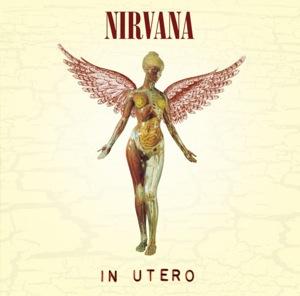
Kurt Cobain's “Smells Like Teen Spirit” works the same way: a Boss DS-1 kicked on for the loud sections in front of a preamp set clean, so the pedal is effectively the dirty channel. Radiohead's Jonny Greenwood did it with a Marshall ShredMaster into a clean amp. Stepping on the pedal is switching channels.
Into a dirty amp
A distortion pedal into an amp that is already crunchy stacks two distortions. Turn the pedal's gain down to 9 to 11 o'clock and its level up, and it acts as a boost with its own voice - Randy Rhoads' MXR Distortion+ in front of a cranked Marshall is the classic case. Into a high-gain channel, a distortion pedal mostly adds noise; an overdrive set as a boost does that job better, as the metal tone guide explains.
The fizz problem, and what the tone knob is for
Fizz is the thin, buzzy, insect-like top end that makes a distortion pedal sound small and cheap. It is the most common complaint about distortion pedals, and it nearly always comes from one of four places.
- Too much gain.Past about 2 o'clock, most distortion pedals add more fizz than weight. Back the gain off until a full chord rings with every note audible.
- The tone set too high.A distortion's tone knob decides how much of the upper treble gets through. On most pedals the useful range is 9 o'clock to noon.
- No guitar speaker. A guitar speaker rolls off the harsh frequencies above roughly 5 kHz. Run a pedal straight into headphones, a PA or an audio interface without a cab simulator and you hear all the fizz the speaker would have hidden.
- Low volume. At bedroom level your ears hear less low end, so the top seems louder - the low-volume tone guide has the fixes.
Fix it in that order: gain, then the pedal's tone, then the amp's treble and presence. Turning the amp's treble to zero to hide a pedal set too bright leaves you with a sound that is dull and fizzy at the same time.
Setting a RAT, a DS-1 and the other classics
- 1Boss DS-11,158 tones
- 2ProCo Rat 2437 tones
- 3Boss MT-2 Metal Zone92 tones
- 4Maxon SD9 Sonic Distortion83 tones
- 5ProCo Vintage Rat75 tones
- 6MXR Distortion+56 tones
- 7Boss DS-2 Turbo Distortion44 tones
- 8Boss HM-2 Heavy Metal39 tones
Two pedals lead the distortion list on records by a long way: the Boss DS-1 and the ProCo RAT. Both are simple three-knob boxes, and both reward a lighter touch than most players give them.
ProCo RAT: the filter works backwards
The RAT's Filter knob is a treble cut, not a treble boost. Fully counterclockwise is brightest; turning it clockwise makes the sound darker and smoother. Start it around noon, then go clockwise if it fizzes and counterclockwise if it sounds muffled. The Distortion knob covers a huge range - below 9 o'clock it is a gritty boost, around noon it is classic rock and punk crunch, and near full it heads toward fuzz.
Boss DS-1: bright and tight
The DS-1 is bright, tight and a little thin on its own, which suits what it has done on records: punk, grunge and alternative rhythm into a clean amp, and a boost into a dirty one. Its tone knob blends a bassy filter with a trebly one rather than simply cutting treble, and it gets bright quickly past noon, so keep it lower and add body with the amp's mids.
| Pedal | Gain | Tone or filter | Level | Notes |
|---|---|---|---|---|
| Boss DS-1 | 1 to 3 o'clock | 9 to 11 o'clock | Above unity | Keep the tone below noon |
| ProCo RAT | 11 to 2 o'clock | Filter around noon | Unity or above | Clockwise filter is darker |
| MXR Distortion+ | 10 o'clock to 1 o'clock | No tone knob | High | Set the brightness at the amp |
| Guv'nor-style | Noon to 2 o'clock | Mids up, treble near noon | Unity | A Marshall sound for a clean amp |
Metal pedals: the Metal Zone, the HM-2 and when to skip them
Metal distortion pedals add more gain stages and a powerful EQ, and that EQ is where most bad settings start.
Boss MT-2 Metal Zone
The Metal Zone has a reputation for fizz because almost everyone sets it the same way: gain maxed, mids cut to zero. Its mid control is semi-parametric - one knob sets how much, the other sets which frequency - so it can just as easily push the mids forward. Start with the distortion at 11 to 1 o'clock, the low at noon to 1 o'clock, the high at 10 to 11 o'clock and the middle at noon or above, then sweep the mid frequency until the riff cuts through. Into a dirty amp, it also works as a boost: distortion low, level high.
Boss HM-2 and the Swedish chainsaw
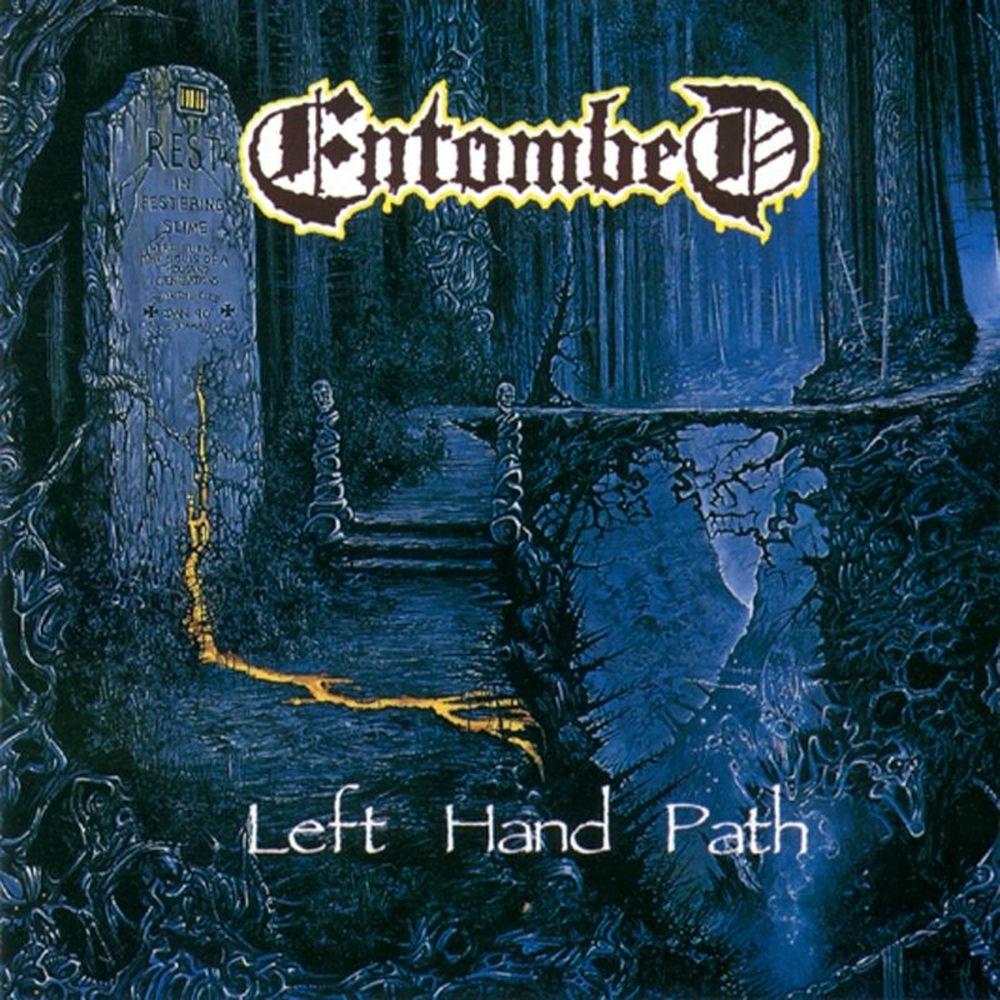
The HM-2 boosts lows and highs together around a deep mid scoop. Entombed and the Stockholm death metal scene famously ran it with every knob at maximum, and that buzzsaw is the whole point of the sound - turn anything down and it is gone. Outside that style the HM-2 is a niche tool.
When to skip the metal pedal
If you own a high-gain amp or amp model, you usually don't need a metal pedal at all. The amp's own distortion with an overdrive in front as a boost is tighter, quieter and easier to control - the modern metal tone guide covers it.
Gain staging: where your distortion should come from
Every knob between your pickups and the speaker is a gain stage: guitar volume, pedal gain, pedal level, amp gain and master volume. Gain staging means deciding which of them makes the distortion and which only set the volume.
- Pick one main source. Either the pedal makes the gain and the amp stays clean, or the amp makes it and the pedal boosts. Two high-gain stages in a row multiply noise and compression.
- Use the level to match or to push.At unity, a clean amp stays clean. Above unity, the pedal hits the amp's input harder and adds a little amp grit, which often fattens a thin pedal.
- Ride the guitar's volume. Rolled back to 6 or 7, a distortion pedal cleans up partly - less than a fuzz or an overdrive, but enough for a crunchier rhythm without another stomp.
- Gate after the distortion. A noise gate after the pedal and before delay and reverb removes the hiss between riffs without cutting off the trails.
The pedal order guideexplains the reasoning, including when the gate and time effects belong in the amp's effects loop instead.
Distortion pedal settings by style
| Style | Gain | Tone | Level | Amp |
|---|---|---|---|---|
| Punk and pop punk | 1 to 3 o'clock | 10 o'clock to noon | Above unity | Clean or light crunch, mids up |
| Grunge and alternative | Noon to 3 o'clock | 9 to 11 o'clock | Above unity | Light crunch; bridge pickup |
| 80s hard rock | 9 to 11 o'clock | Noon | High | Cranked crunch - the pedal as a boost |
| Blues-rock leads | Noon to 2 o'clock | Noon, mids up if it has them | Unity | Nearly clean; neck pickup |
| Metal into a clean amp | 11 o'clock to 1 o'clock | Mids at noon or above | Unity | Loud and clean, bass a touch lower |
| Swedish death metal | Full | HM-2 color knobs full | To taste | Tuned down; the pedal is the sound |
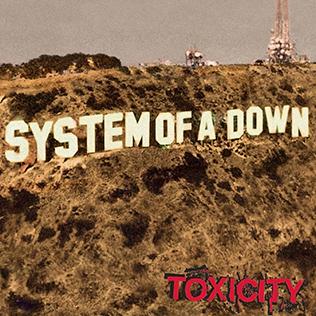
The punk and grungeguides cover those styles' amps, tunings and playing. These records cover the range, from a clean amp kicked into the chorus by a stomp to the Swedish chainsaw - each tone page lists the pedal and how the amp was set:
The shortcut: distortion settings for a specific song
A distortion pedal's settings only mean something next to the amp it runs into. The DS-1 on a record made with a clean preamp needs different settings in front of your practice amp, your crunch channel or your modeler - and if you don't own a distortion pedal, your amp's gain channel has to stand in. ToneMirror does that translation. Pick the song, enter the guitar, amp and pedals you own, and it returns settings for your drive pedals and amp knobs together, with the pickup and tuning, in signal-chain order.
Start from the tone matcher, or open a song in the tone library to see which distortion was documented on the record and how the amp behind it was set.
Songs to try it on
Each of these has its recorded rig and settings on its own page - open one, then get it translated for your gear.


Frequently asked questions
What are good settings for a distortion pedal?
Into a clean amp, start with the gain around 1 o'clock, the tone at or below noon and the level a little above unity, with the amp's mids around 6. Then lower the gain until chords stay clear and adjust the tone by ear at playing volume. Into an amp that is already crunchy, turn the gain down to 9 to 11 o'clock and use the pedal as a boost.
Why does my distortion pedal sound fizzy?
Usually too much gain, the tone knob set too high, or no guitar speaker in the chain - headphones and audio interfaces without a cab simulator expose the harsh top end a speaker would roll off. Lower the gain first, then the pedal's tone, and only then the amp's treble and presence.
Should I use a distortion pedal with a clean or a distorted amp?
A clean or lightly crunchy amp, in most cases. Distortion pedals are designed to supply all the gain, and the amp's job is to add body. Into a dirty amp, set the pedal's gain low and its level high so it acts as a boost; into a high-gain channel, an overdrive used as a boost works better.
How do I set a ProCo RAT?
Start with the distortion around noon, the filter around noon and the volume at unity. The filter works the opposite way to a normal tone knob: clockwise makes it darker, counterclockwise brighter. Low distortion settings give a gritty overdrive, and near full it approaches fuzz.
What is the difference between distortion and overdrive pedals?
Overdrive clips softly and often blends in clean signal, so it sounds like a pushed amp and works best pushing one. Distortion adds more gain and clips harder, giving more compression and sustain, and is designed to be the main source of gain in front of a clean amp.
Is there a tool that gives distortion pedal settings for a specific song?
ToneMirror does this. Pick a song, enter the guitar, amp and pedals you own, and it returns settings for your distortion and other pedals in chain order, plus your amp knobs, pickup and tuning, translated from the rig used on the recording.