



In this guide · 10 sections
- 1What makes a tone djent - and how it differs from classic metal
- 2Seven-strings, eight-strings, baritones and low tunings
- 3A boosted high-gain amp with a tight low end
- 4EQ for articulation: high-pass, mids and presence
- 5Gating: making the stops stop
- 6Pickups, picking and polyrhythmic chugs
- 7Modelers, plugins and double-tracking
- 8The shortcut: djent settings for your guitar and rig
- 9Songs to try it on
- 10FAQ
For a djent or modern metal tone, play an extended-range guitar - a seven-string, eight-string or baritone - in a low drop tuning with heavy strings, into a high-gain amp with an overdrive in front set as a boost (drive near zero, level high). Keep the bass at or below the middle and the mids near noon, use presence for pick attack, high-pass after the cab, gate hard, and play tight palm-muted rhythms on the bridge pickup.
- Djent is about articulation: every palm-muted chug has to be its own event, so tightness beats saturation.
- Low tunings need string tension - heavier gauges, a longer scale, or a seven-string, eight-string or baritone.
- Cut lows before the distortion with a boost, then control them after the cab with a high-pass filter.
- Gate hard - the silence between notes is part of the riff - but fix noise and sloppy muting at the source first.
- This is the genre that moved to modelers and plugins; a 5150-, Recto- or Mark-style model follows the same rules.
What makes a tone djent - and how it differs from classic metal
“Djent” started as a joke word for a sound: a heavily palm-muted, high-gain note picked hard on a low string. It traces back to Meshuggah's riffing and became a scene name in the late 2000s, when players such as Periphery's Misha Mansoor shared home-recorded demos online. Periphery later titled a 2023 album Periphery V: Djent Is Not a Genre, which tells you how the bands feel about the label.
Whatever you call it, the brief is clear: very tight, very articulate and very low. Riffs are syncopated palm-muted figures on one low string, so every chug has to start and stop cleanly. Mud, flub or noise between notes ruins it faster than the wrong amp.
| What changes | Classic metal and thrash | Djent and modern metal |
|---|---|---|
| Guitar | Six-string, bridge humbucker | Seven-string, eight-string or baritone; fanned frets common |
| Tuning | Standard, E♭, drop D | Drop B, drop A and lower; extended-range tunings |
| Gain | Amp gain, sometimes boosted | Boosted high gain with lows cut before the distortion |
| Low end | Scooped or mid-forward, plenty of bass | Tight and high-passed; the bass guitar owns the bottom |
| Noise gate | Useful | Hard and fast - the stops are part of the riff |
| Recording | Mic'd 4x12 cabinets | Modelers, profilers and plugins, often reamped from DI |
The fundamentals - how much gain, the boost-in-front trick, scooped versus mid-forward EQ - are in the metal guitar tone guide. This page covers what changes when the strings get lower and the riffs get tighter.
Seven-strings, eight-strings, baritones and low tunings
Below drop B, a regular 25.5-inch six-string runs out of tension. The low string flops, buzzes, goes sharp when you pick hard and turns to mush through a high-gain amp. Djent players fix that with more strings, a longer scale, or both:
- Seven-string: adds a low B under standard tuning (B E A D G B E). Drop that string to A and you get A E A D G B E - the same one-finger power chords as six-string drop A, with the top six strings left in standard.
- Eight-string:adds a low F♯ below that, usually on a 27-inch or longer scale. Meshuggah's eight-strings on records like obZen are tuned down to a low F.
- Baritone six-string: a 27- to 28-inch scale with heavy strings, so six-string drop A or drop G♯ stays tight under the pick. The shapes you know, much lower.
- Multiscale (fanned frets): a longer scale on the bass side and a shorter one on the treble side, so the low strings get tension without the high strings turning stiff.
Drop B and drop A lead the tunings with a six-string name; a large share of djent parts use extended-range tunings with no six-string name at all, which is why the bars don't add up. The six-string versions are on the drop B, drop A♯, drop A and drop G♯pages, each with the songs recorded in it. Check a song's tone page before you tune: the notes say when a part needs seven or eight strings.
Strings and setup
| Guitar | Common tunings | Typical strings |
|---|---|---|
| Six-string, 25.5" | Drop C to drop B | 11-56 to 13-62 |
| Baritone six, 27-28" | Drop A to drop G♯ | 13-62 to 14-68 |
| Seven-string, 25.5-26.5" | B standard, drop A | Low string .059 to .064 |
| Eight-string, 27" and up | F♯ standard and lower | Low string .074 to .080 or heavier |
Heavier strings usually need wider nut slots and fresh intonation - and a low string that frets out when you dig in sounds exactly like a bad tone.
A boosted high-gain amp with a tight low end
The classic djent amp is a 5150/6505-style head, a Mesa Rectifier or a Mark-series lead channel, with a Tube Screamer-style overdrive in front: drive at zero, level high. The boost matters even more at low tunings. The lower the string, the more low-frequency energy hits the preamp, and the pedal's bass cut and mid hump stop it turning to mush before it reaches the distortion.
Newer pedals are built for exactly this job. One of the best known is the Precision Drive from Horizon Devices, the pedal company Misha Mansoor co-founded, which adds an attack control and a built-in gate to the usual boost. Here is where recorded djent and progressive metal tones sit:
Read the shape: gain high but short of the top, mids around the middle rather than scooped, bass not much above noon, treble and presence above center. The set mixes 5150s, Rectifiers, Marks and modelers whose gain knobs mean different things, so on a boosted 5150-style lead channel, start lower and raise the gain only until the low string sustains without smearing.
| Control | Starting point | Listen for |
|---|---|---|
| Boost: drive / level / tone | 0-9 o'clock / 2 o'clock-max / noon | Tighter chugs, not extra fuzz |
| Amp gain | 4 to 6 | The low string sustains and chords stay distinct |
| Bass | 3 to 5 | Chugs that thump instead of woof |
| Mid | 5 to 6 | The riff stays audible under the cymbals |
| Treble | Around 6 | Pick attack without hiss |
| Presence | 5 to 7 | The click on the front of every note |
| Resonance / depth | 3 to 5 | Weight without flub - set it last |
The overdrive pedal settings guidegoes deeper on setting a boost, including what to use if you don't own a Tube Screamer-style pedal.
EQ for articulation: high-pass, mids and presence
Djent lives or dies on articulation - hearing the attack of every note in a fast, low, palm-muted figure. Most of that comes from cutting after the amp, not from adding treble.
- High-pass after the cab around 80-100 Hz. Raise it until the chugs stop booming, and let the bass guitar own everything below.
- Low-pass around 8-10 kHz to take the fizz off the top of a high-gain tone.
- Dip the low mids gently, somewhere around 200-400 Hz, if palm mutes sound boxy or woolly.
- Lift the upper mids, roughly 1.5-4 kHz, for pick click - the “djent” in djent. On the amp, that is mostly the presence knob; if the term is new, the tone glossary explains it.
| Problem | Usual cause | Fix |
|---|---|---|
| Chugs go "woof" | Too much low end into the distortion | More boost level, less amp bass, raise the high-pass |
| Fizzy, hissy top | Too much gain or presence, or an unfiltered cab | Lower the gain first, then low-pass around 8-10 kHz |
| Fast notes blur together | Too much gain or a slack low string | Back off the gain, go up a string gauge, tighten the mute |
| Thin and clicky on its own | Often nothing - it is built to sit in a mix | Check it against the record before adding bass |
| Disappears in the band | Mids scooped too far | Bring the mids back toward noon |
Gating: making the stops stop
In djent, the gaps are part of the riff. A syncopated figure only reads as syncopated if the rests are silent, so the gate is doing musical work here, not just hiding hiss.
- Threshold: with the guitar volume up and your hands off the strings, raise it until the hiss disappears. Then play the riff and nudge it up until the stops are clean - no further.
- Release: short, so stops snap shut, but not so short that held chords get chopped. Many players keep a second preset with a lower threshold for ringing clean or ambient parts.
- Placement:a gate after the boost and, on a head with an effects loop, the four-cable method - the gate reads the clean guitar at the input but mutes the preamp's noise in the loop. On a modeler, use the input gate plus a gate block after the amp.
Pickups, picking and polyrhythmic chugs
Pickups
It is a bridge-humbucker genre. Active pickups (EMG-style, or Fishman's Fluence range) are quiet, compressed and consistent; high-output passives keep more dynamics. Either works - what matters is a tight, focused low end. If the lowest string sounds woolly, lower the bass side of the bridge pickup a little: on a long-scale low string, a pickup set too close also pulls the string and hurts sustain and intonation.
The picking hand
- The djent note is palm-muted but not fully choked, picked hard with a thick, pointed pick, close to the bridge. You should hear both the pitch and a percussive click.
- Alternate-pick fast single-string figures; downpick slower chugs for extra punch.
- Let your fretting hand mute every string you aren't playing. On seven and eight strings, there are a lot of them.
Polyrhythms
Meshuggah-style riffs often use groupings that don't divide evenly into the bar - fives, sevens or much longer phrases - cycling over a steady 4/4 backbeat until they land back on the one. Practice slowly with a click on the quarter-note pulse, count the grouping out loud and accent the first note of each group. The free online metronome handles the pulse; speed comes after the accents land in the right place.
Modelers, plugins and double-tracking
Djent is the genre where digital amps went mainstream. Periphery's early records were built largely on Fractal's Axe-Fx, and today Axe-Fx, Kemper and Neural DSP's Quad Cortex are standard on stage and in the studio, alongside plugins - Neural DSP's Archetype series includes suites made with Nolly Getgood, Tosin Abasi and Plini. Everything above still applies; it just becomes blocks:
- Amp: a 5150/6505-, Rectifier- or Mark-style high-gain model, gain lower than it invites.
- Boost: a Tube Screamer-style block in front, drive at zero, level up.
- Cab:a closed-back 4x12 with Vintage 30-style speakers is the usual first choice, with the cab block's low cut around 80-100 Hz and high cut around 8-10 kHz.
- Gates: the input gate plus a gate block after the amp, set as described above.
The modeler settings guide covers block order, input and output levels, and when to switch cab simulation off.
Double-tracking and reamping
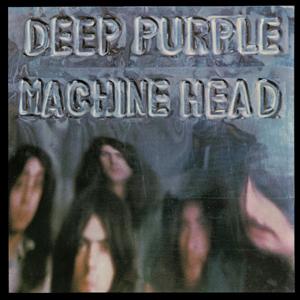
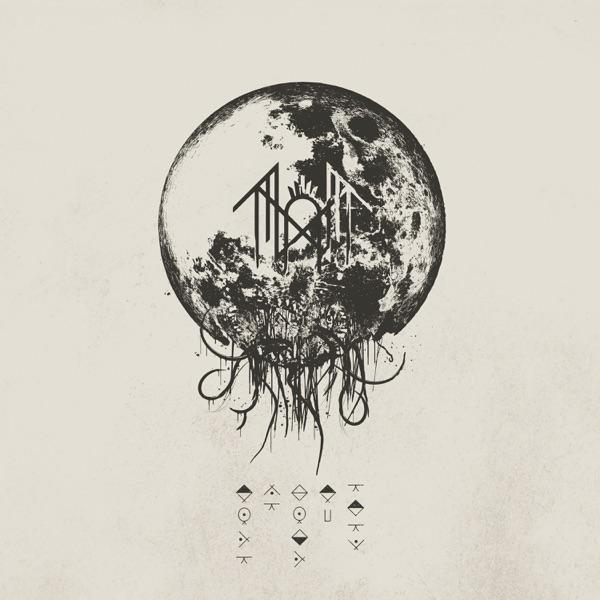
Rhythm guitars on these records are almost always two or four separate performances panned apart, each with less gain than the combined wall suggests, and played - or edited - extremely tight. Many are recorded as a clean DI signal and reamped later, so the amp sound can change after the take. If your takes don't line up, more gain will only blur them; tighten the playing first. Some djent records to study:



The shortcut: djent settings for your guitar and rig
A djent record is a specific stack: an extended-range guitar in a particular tuning, a boost, a high-gain amp or model, a gate and a lot of EQ - usually dialed on gear you don't own. ToneMirror starts from what the recording used and rewrites it for your rig: the tuning and pickup, where your amp's gain and EQ should sit for the same tightness, and how to set the boost and gate you already have, in signal-chain order.
On a modeler such as a Helix, Katana or Spark, it lays out the gate, boost, amp and cab blocks to build - see the modeler pages. Then pick a song in the tone matcher and enter your rig.
Songs to try it on
Each of these has its recorded rig and settings on its own page - open one, then get it translated for your gear.

Frequently asked questions
What amp settings should I use for djent?
On a boosted 5150- or Rectifier-style high-gain channel, start around gain 4 to 6, bass 3 to 5, mids 5 to 6, treble 6 and presence 5 to 7, with the overdrive in front set to drive zero and level high. Then high-pass after the cab around 80-100 Hz and gate hard. Treat the numbers as a shape - every amp's knobs are voiced differently.
Do I need a seven-string or eight-string guitar for djent?
Not to start. A six-string in drop C or drop B with heavier strings plays a lot of the style, and a baritone six-string reaches drop A and lower with proper tension. To play songs written on seven or eight strings as written, though, you need the extra range.
What tuning is djent in?
There is no single djent tuning. Six-string parts are often in drop C, drop B or drop A, seven-strings commonly sit in B standard or drop A, and eight-strings in F♯ standard or lower - Meshuggah tune theirs down to F. Check each song's tone page before you tune.
Why does my djent tone sound muddy?
Usually too much low end going into the distortion, too much gain, or a low string without enough tension. Raise the boost's level, lower the amp's bass, high-pass after the cab, back the gain off and consider heavier strings. Check your muting too - ringing strings sound like mud through a high-gain amp.
Can I get a djent tone from a modeler or plugin?
Yes, and many of the records were made that way. Use a 5150-, Rectifier- or Mark-style high-gain model with a Tube Screamer-style boost block in front, a 4x12 cab with low and high cuts, and gates at the input and after the amp.
Is there a tool that gives me djent settings for a specific song on my gear?
Yes - ToneMirror translates a recorded song's guitar tone to the rig you own. Pick the song, enter your guitar, amp or modeler and pedals, and it returns the tuning, pickup, gain, EQ and pedal settings, including how to set a boost and gate if you have them.