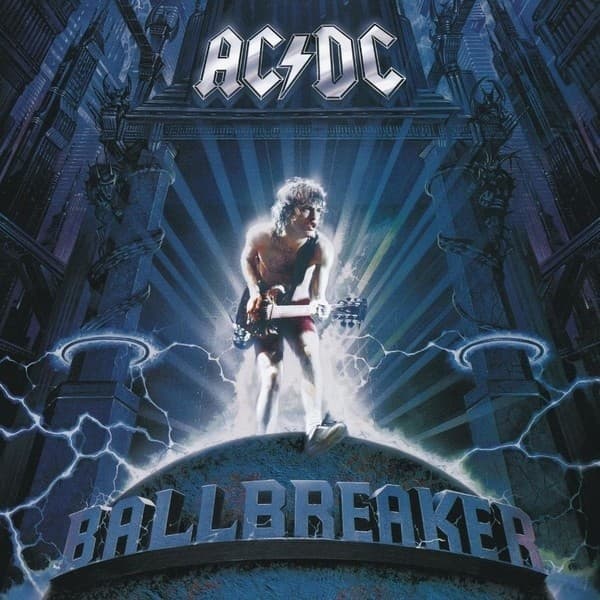
How to Dial In "Ballbreaker" by AC/DC - Bass Tone Settings
What AC/DC Actually Used on "Ballbreaker"
Original Knob Positions, Pickup, and Tuning
Where to set the knobs for this tone. Each value is on the standard 0–10 amp scale.
These numbers are for an Ampeg SVT Classic + 8x10. On your amp, they won't sound the same.
Get the settings for my ampHow the artist had their bass configured for this take.
The title track that closes Ballbreaker, AC/DC's thirteenth studio album, released on 25 September 1995. It marked the return of drummer Phil Rudd, who had left during the Flick of the Switch sessions in 1983 and rejoined in August 1994. Rick Rubin produced it, and the sessions took five months: they started at the Record Plant in New York, where the band could not get the drum sound they wanted even with Rubin isolating the kit in a tent, and moved to Ocean Way Studios in Los Angeles, where Rubin and Malcolm Young clashed over direction and some songs ran to as many as 50 takes. The album reached number 4 in the US and topped the charts in Australia. Cliff Williams plays bass and sings backing vocals, holding the stomping riff down with downpicked roots locked to Rudd's kick. His trademark bass is the Music Man StingRay; which bass and amp he used on these sessions isn't documented, so a StingRay into an SVT stands in. Pick, thick and dark, treble down. Standard tuning.
Common Questions About the "Ballbreaker" Tone
What bass did AC/DC use on "Ballbreaker"?
AC/DC tracked "Ballbreaker" on a Music Man StingRay Special (released 1995). Pickup selector: single pickup on the bass. Tuned to standard (bass) (E A D G).
What amp settings does "Ballbreaker" need?
On Ampeg SVT Classic + 8x10: Gain 3, Bass 6.5, Mid 6, Treble 4.5, Presence 4, Volume 8. Each value is on the standard 0–10 amp scale; match them on your amp first, then nudge to taste. ToneMirror can translate these positions for whatever amp you actually own.
Can I play "Ballbreaker" without an Ampeg SVT Classic + 8x10?
Yes. ToneMirror takes the original recipe above and adapts it to your guitar, amp, and pedals - so you can chase the "Ballbreaker" tone on a Katana, a Helix, a tube combo, or anything else. The translation accounts for EQ curve, gain structure, and pickup type so the result actually sounds like the record, not just the same knob numbers on different gear.
More Tones You Can Dial In
Tone references for "Ballbreaker" by AC/DC are provided for educational use. ToneMirror is not affiliated with the artists or labels referenced.