
In this guide · 10 sections
- 1What makes a guitar tone sound indie
- 2Chime and light crunch: small amps turned up
- 3Offsets, Telecasters and single coils
- 4Fuzz, overdrive and garage-rock grit
- 5Reverb, delay and modulation as texture
- 6Two guitars that interlock instead of doubling
- 7Britpop jangle vs post-punk revival angularity
- 8The shortcut: an indie song's settings for your gear
- 9Songs to try it on
- 10FAQ
For an indie rock guitar tone, set a bright amp just at the edge of breakup - gain around 3 to 5, bass moderate, mids a little above noon, treble up - and play a Telecaster, Jazzmaster, Jaguar or other single-coil guitar. Turn up a small Vox- or Fender-style amp for light crunch, step on a fuzz or distortion pedal for the loud parts, use reverb and delay as texture, and write two guitar parts that interlock instead of doubling.
- Indie tone lives at the edge of breakup: bright, mid-forward and lightly driven, so chords and arpeggios ring.
- Single coils do most of the work - Telecasters, Jazzmasters, Jaguars and Strats - often into a small amp turned up.
- Fuzz and distortion pedals supply the loud parts while the amp stays close to clean.
- Reverb, delay, tremolo and chorus are part of the riff, not polish added afterwards.
- Two guitars should interlock: different registers, rhythms and pickups, never the same chord twice.
What makes a guitar tone sound indie
Indie rock covers a lot of ground - 80s college-radio jangle, 90s slacker noise, britpop, the 2000s post-punk revival and today's home-recorded bands - but most of it shares a guitar tone: bright, mid-forward and only lightly driven, so you hear the strings, the pick and the room. Distortion arrives in bursts, from a pedal, rather than as a constant wall.
The other common thread is arrangement. Indie bands tend to use two guitars playing different parts rather than a rhythm player and a soloist, and each tone is chosen to leave room for the other. Here is where recorded indie and post-punk revival tones sit:
The gain sits just under the middle, the mids a notch above it and the treble higher still - lower gain than classic rock and the opposite of a scooped metal tone. Compare it with other styles in the free amp settings tool.
The three most common indie tone mistakes
- Too much gain. Chords stop ringing and the two guitars blur together. Back off until an open chord rings with every note audible, and let a pedal handle the loud parts.
- Scooped mids. It sounds big alone and vanishes behind the vocal and the other guitar. Keep the mids at or above noon.
- Effects set in the bedroom. Reverb and delay that sound lush alone wash out in a band. Set them with the song playing, then turn the mix down until you would only just miss it.
Chime and light crunch: small amps turned up
Most indie crunch comes from a modest tube amp turned up until it just starts to break up - a Vox AC30-style or Fender Deluxe-style combo is the archetype. At that point the amp is clean when you play softly and gritty when you dig in, so one setting covers the verse and the chorus. Players call this the edge of breakup; the tone glossary has the related terms, like headroom.
Vox-style chime
An AC30-style amp breaks up early and has a bright, chiming upper midrange that flatters open chords and arpeggios. Most have only bass and treble on the Top Boost channel, plus a Cut control that works backwards: turning it up removes highs.
Fender-style sparkle
A Deluxe-style combo is rounder and scooped in the middle, with a glassy top. Its breakup arrives with the volume knob, usually somewhere between 4 and 6. Without a mid control, keep the bass low and let a low-gain overdrive fill in the mids when you want more crunch.
| Amp | Volume / gain | Bass | Mid | Treble | Notes |
|---|---|---|---|---|---|
| Vox AC30-style | Until hard strums crunch | 4-5 | No knob | 6-7 | Cut around noon |
| Fender Deluxe-style | 4 to 6 on the volume | 3-4 | No knob | 6 | Add reverb to taste |
| Two-channel amp, crunch channel | Gain 3 to 4 | 4-5 | 6 | 6-7 | Let pedals handle the loud parts |
| Modeler | AC30- or Deluxe-style model, edge of breakup | 4-5 | 6 | 6-7 | Keep the gain low |
A small amp turned up is still loud. If you can't play at that volume, see getting a good tone at low volume for attenuators, low-wattage amps and modelers.
Offsets, Telecasters and single coils
Indie is a single-coil genre. Telecasters bring bite, Strats bring glassy in-between positions, and offsets - Jazzmasters and Jaguars - became indie guitars partly because they were unfashionable and cheap secondhand in the 80s, when players like Dinosaur Jr.'s J Mascis and Sonic Youth's Thurston Moore and Lee Ranaldo picked them up. Hollow and semi-hollow guitars cover the rounder, warmer side.
| Guitar | Sound | Use it for |
|---|---|---|
| Telecaster, bridge pickup | Bright, cutting, a little raw | Angular riffs, choppy stabs, crunchy chords |
| Jazzmaster | Wide, warm single coils with a soft top | Ringing chords, fuzz walls, bar bends |
| Jaguar | Brighter and thinner, 24-inch scale | Jangly arpeggios, surfy leads, noise |
| Strat, in-between positions | Glassy, hollow, quacky | Clean arpeggios and choppy rhythms |
| Hollow or semi-hollow | Round, woody, mid-heavy, feeds back easily | Garage crunch and warmer chords |
The bridge pickup is still the default for most recorded indie parts; the neck pickup takes over for softer, rounder cleans. Offset bridges can rattle and let strings jump the saddles when you strum hard - a heavier string gauge helps. More on each position in pickup positions explained.
Fuzz, overdrive and garage-rock grit
Indie distortion usually comes from a pedal into a near-clean amp, and it works as contrast: a quiet verse, then a stomp for the chorus. The usual choices:
- Big Muff-style fuzz: a thick, sustaining wall. It scoops the mids, so add them back at the amp or the guitar disappears in the band.
- DS-1- or RAT-style distortion: raspier and more cutting. Keep the tone knob below noon or it turns fizzy.
- Low-gain overdrive (Blues Driver- or Tube Screamer-style): drive low, level a little above unity. Many players leave one on all the time to thicken the crunch.
- Octave and pitch: the riff in the White Stripes' “Seven Nation Army” is a guitar through a DigiTech Whammy set an octave down - not a bass.
Garage-rock rawness
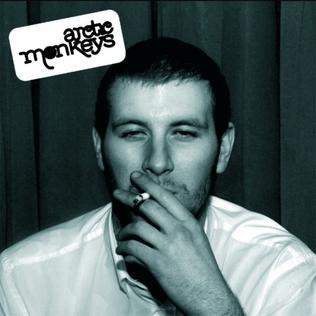
The garage end of indie - Jack White with his 1960s department-store Airline, the Strokes, early Arctic Monkeys - sounds raw because less is going on: a cheap or old guitar, a small amp a little hotter than for jangle (gain around 5 to 6), the bridge pickup, hard strumming and few overdubs. Let it feed back and leave the mistakes in. Over-EQ it and it starts to sound like a different genre. The fuzz pedal settings guide covers taming a Muff in detail.
Reverb, delay and modulation as texture
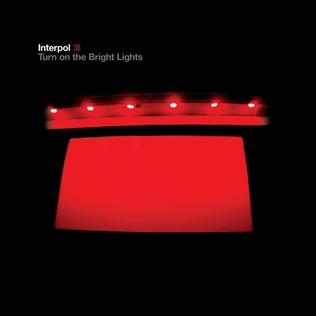
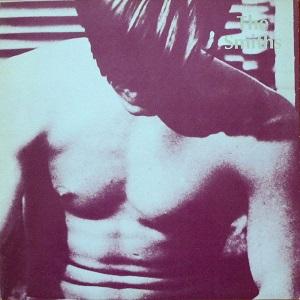
In indie, effects are often part of the riff: a slapback that thickens a single-note line, a long delay that turns an arpeggio into a shimmer, reverb as the room the song lives in, tremolo pulsing in time. The Smiths' “How Soon Is Now?” is built on a hard, fast tremolo; Interpol's “Obstacle 1” pairs a constant high arpeggio with sparse low chords, both blurred by delay and reverb.
| Effect | Time / rate | Repeats / depth | Mix | Use it for |
|---|---|---|---|---|
| Slapback | 80-150 ms | 1 repeat | 20-30% | Thickening single-note lines |
| Rhythmic delay | Quarter or dotted eighth | 2 to 4 repeats | 20-35% | Arpeggios that shimmer |
| Ambient wash | 400-700 ms | Many repeats | 30-50% | Intros, outros, clean breaks |
| Spring or room reverb | Short to medium decay | - | 15-30% | The default room |
| Tremolo | In time with the song | Deep to pulse, shallow to shimmer | - | Chords that throb |
Sync delays to the song with the free delay time calculator, and see the reverb settings guide for spring versus plate versus room. When the texture becomes the whole sound, you are in shoegaze territory - the shoegaze tone guide picks up from there.
Two guitars that interlock instead of doubling
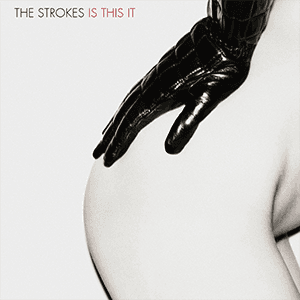
The defining indie arrangement is two guitars playing different parts that combine into one: one holds the chords while the other plays a single-note line, or both play single-note figures that fit together like gears. The Strokes are the reference for the 2000s, and Johnny Marr's layered parts with the Smiths for the 80s.
- Split the registers: one part low on the neck and the lower strings, the other higher up on the top strings.
- Split the tones: bridge pickup on one guitar, neck on the other, or one cleaner and one crunchier.
- Split the rhythm: straight eighth-note chords against a syncopated line.
- Never play the same voicing twice. Use a different inversion higher up, or a capo on the second guitar.
Britpop jangle vs post-punk revival angularity
Two of indie's biggest waves use similar gear in opposite ways.
Britpop: chime and crunch
Mid-90s britpop looked back to 60s guitar pop: ringing open chords, chiming upper mids and, on the louder records, walls of overdubbed crunch. Blur's Graham Coxon is the Telecaster reference. Start around gain 4 to 6 with the mids up and a little spring reverb, strum through the open strings, and stack a second take if you are recording. The britpop tone pageslist each record's rig.
Post-punk revival: dry and angular
The early-2000s revival took its cues from the choppy, trebly style of late-70s post-punk bands like Gang of Four. Gain is low - clean to barely broken up - the treble is high, the bass is tight, and the notes are short: staccato downstrokes, muted stabs, dance-beat eighths and single-note lines. Reverb is mostly off; a slapback or a rhythmic delay does the work instead.
| Sound | Britpop | Post-punk revival |
|---|---|---|
| Gain | Light crunch to full crunch, layered | Clean to edge of breakup |
| EQ | Warm, mid-forward chime | Bright and trebly, tight bass |
| Playing | Ringing open chords, strummed | Short, choppy stabs and single-note lines |
| Effects | Spring reverb, a little delay or phaser | Mostly dry; slapback or rhythmic delay |
| Hear it in | Oasis, Blur, The Verve | The Strokes, Franz Ferdinand, Interpol, Bloc Party |



The shortcut: an indie song's settings for your gear
Indie tones are simple on paper and fussy in practice, because so much depends on how hard a particular amp is pushed and which pickup is on. ToneMirror starts from what a specific recording used and rewrites it for the gear you own: where to set your amp for the same edge of breakup, which pickup to use, how to set your fuzz, delay and reverb in signal-chain order, and how to cover a pedal you don't have. Modelers get the blocks to build.
Pick a song in the tone matcher, or browse the tone library for the record you want.
Songs to try it on
Each of these has its recorded rig and settings on its own page - open one, then get it translated for your gear.



Frequently asked questions
What amp settings should I use for indie rock?
Start with the gain around 3 to 5 so the amp sits at the edge of breakup, bass around 4 to 5, mids at or just above noon and treble around 6 to 7. On a Vox AC30-style amp, turn the volume up until hard strums crunch. Use a fuzz or distortion pedal for louder sections rather than more amp gain.
What guitar is best for indie rock?
Single-coil guitars cover most of it: a Telecaster for bright, cutting parts, a Jazzmaster or Jaguar for ringing chords and fuzz, a Strat for glassy in-between sounds. Hollow and semi-hollow guitars suit the warmer, garage-rock side. Use what you have and match the pickup position the song uses.
What pedals do indie guitarists use?
A low-gain overdrive for crunch, a fuzz or distortion for loud sections, and reverb, delay, chorus or tremolo for texture. Big Muff-style fuzz, DS-1-style distortion, Blues Driver-style overdrive and simple delays are all common. The amp itself usually stays close to clean.
How do I make two guitars work together in indie rock?
Give each guitar its own job: different registers on the neck, different rhythms and, ideally, different pickups or amounts of drive. Avoid playing the same chord shape in the same place. When the two parts sound like one riff, you have it.
What tuning is indie rock in?
Almost always standard tuning. A few bands tune down a half step or use drop D, and some songs use open tunings, so check the song's tone page before you start. The sound comes from the guitar, amp and effects far more than the tuning.
Is there a tool that gives me an indie song's settings for my rig?
Yes - ToneMirror translates a recorded song's guitar tone to the gear you own. Pick the song, enter your guitar, amp or modeler and pedals, and it returns the amp settings, pickup, tuning and pedal settings for your setup.