




In this guide · 10 sections
- 1Spring, plate, room, hall and shimmer: what each one sounds like
- 2Decay, mix, pre-delay and tone: what each control does
- 3Reverb settings by style
- 4How to get surf reverb drip
- 5Amp reverb vs a reverb pedal - and what is on the records
- 6Reverb before or after drive, and in the effects loop
- 7Too much reverb: making it work in a band mix
- 8The shortcut: reverb settings for a specific song
- 9Songs to try it on
- 10FAQ
To set a reverb pedal, pick the type first - spring for drip and twang, plate for smooth studio sheen, room for subtle depth, hall for big ballads, shimmer for ambient pads - then set the mix lower than feels right alone: 10-20% for rhythm, 20-35% for cleans and leads, and more only for surf and ambient. Match the decay to the tempo, add 20-50ms of pre-delay to keep your attack clear, and put reverb last in the chain.
- Choose the reverb type before touching the settings: spring drips, plates shimmer, rooms add depth, halls add size.
- Mix matters most - a reverb that sounds right alone is usually too much in a band.
- 20-50ms of pre-delay keeps your pick attack in front of the reverb tail.
- Reverb goes after the drives, or in the effects loop if your amp makes the distortion.
- Surf drip is a spring reverb driven hard: high dwell, bright tone, a loud clean amp.
Spring, plate, room, hall and shimmer: what each one sounds like
Reverb is the sound of a space: thousands of reflections arriving after your note and fading away. Each type imitates a different space or device, and choosing the right one does more than any knob setting.
| Type | What it is | How it sounds | Use it for |
|---|---|---|---|
| Spring | A signal sent through metal springs, as in most Fender-style amps | Bright, bouncy, with a drip on hard notes | Surf, rockabilly, country, blues, indie cleans |
| Plate | A large suspended steel plate - a studio standard from the late 50s on | Dense, smooth, bright, no boing | Leads, clean arpeggios, a studio sheen |
| Room | A small space with a short decay | Natural depth without an obvious tail | Rhythm parts, rock, anything that should stay tight |
| Hall | A concert hall: slow build, long decay | Big, lush, distant | Ballads, slow leads, post-rock |
| Shimmer | A pitch shifter (usually an octave up) inside the reverb | An organ-like halo above every note | Ambient pads, worship, swells |
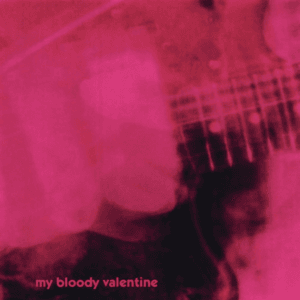
Beyond those five, many pedals add modulated reverbs (a chorus-like movement in the tail), reversereverbs (the tail swells up before the note, as on My Bloody Valentine's Loveless, where much of it came from a Yamaha SPX90 rack unit), and gated reverbs that cut off abruptly, the 80s drum sound. Treat those as special effects; spring, plate and room cover most records.
If you only use one type, make it a plate: it flatters cleans, leads and light crunch without the boing of a spring or the distance of a hall. Choose spring if you mostly play clean through a Fender-style amp and want that classic splash, and a room if you play heavier music and only want a little depth.
Decay, mix, pre-delay and tone: what each control does
Decay
Also labeled time or length: how long the tail lasts. Short decays (under a second) add depth, around two seconds adds obvious space, and four seconds or more becomes a pad. On rhythm parts, let the tail fade before the next chord change, or every chord smears into the one after it. Slower songs can take longer decays.
Mix
The balance of reverb to dry signal, and the control that matters most. Start at 10-20% for rhythm and 20-35% for cleans and leads. Push past 40% only when the reverb is the sound, as in surf, shoegaze and ambient music.
Pre-delay
The gap between your note and the start of the reverb. With none, the reverb starts with your pick attack and softens it. With 20-50ms, the attack lands clean and the space blooms just behind it, which keeps a reverb-heavy part sounding close and articulate. Long pre-delays (80ms and up) separate the tail into something closer to an echo. The tone glossary covers this and the other reverb terms.
Tone, damping and low cut
Tone or damping darkens the tail; low cut removes the boom. Long reverbs nearly always want both - bright tails turn harsh, and bass-heavy tails turn chords into mud. Spring reverbs are the exception, since their brightness is the character.
Modulation, dwell and shimmer
Many pedals add a slow modulation to the tail, which keeps long decays from sounding metallic - keep it subtle on anything rhythmic, or sustained chords start to sound out of tune. Spring modes may add a dwell control (how hard the springs are driven), and shimmer modes a pitch interval and a level for the shimmer itself. Start the shimmer level low; an octave halo above every note gets tiring fast.
Reverb settings by style
| Style | Type | Decay | Pre-delay | Mix | Tone |
|---|---|---|---|---|---|
| Rock and metal rhythm | Room or short plate | 0.5-1s | 10-20ms | 5-15% | Neutral, low cut on |
| Clean arpeggios | Plate or spring | 1.5-2.5s | 20-40ms | 20-30% | Neutral |
| Blues and country | Spring | Short to medium | 0-10ms | 15-25% | Bright |
| Ballad lead | Hall or plate | 2-3s | 40-80ms | 20-30% | A little dark |
| Surf | Spring | Long | None | 35-50% | Bright |
| Shoegaze and ambient | Hall, shimmer or modulated | 4s and up | 0-30ms | 40-60% | Dark |
Two patterns run through the table. The tighter and heavier the part, the shorter and drier the reverb, because high-gain tones already sustain and reverb just blurs palm mutes. And the more the reverb is the point of the part, the more pre-delay and darkening it needs to stay musical.
One setting for rhythm, another for leads
A solo usually wants more space than the rhythm part under it. Rather than riding the mix knob, many players keep a short, dry setting on for rhythm and switch to a second, wetter preset (or a second reverb) for leads. On a single-knob pedal, set it for the rhythm part - a lead with too little reverb still works, but a rhythm part with too much does not.
Hear the range on records: the drenched spring of James Calvin Wilsey's lead on Chris Isaak's “Wicked Game”, the touch of amp spring on the intro of Aerosmith's “Dream On”, and the hint of plate on Eric Clapton's “Wonderful Tonight”. For clean tones in particular, the clean tone guide pairs reverb with the amp settings around it.

How to get surf reverb drip
The surf sound is a spring reverb pushed until it splashes on every note. In the early 1960s it came from a standalone tube spring reverb unit, like Fender's Reverb Unit, placed in front of a loud, clean amp. Its dwell control set how hard the springs were driven - and high dwell is where the drip lives.
- Reverb unit or amp:dwell high (7 and up), mix around halfway, tone bright. On an amp's built-in reverb, 5-7 gets close.
- Pedal: spring mode, decay long, mix 35-50%, tone up. Some spring pedals have a dwell knob - turn it up rather than the mix.
- Amp: loud and clean, bass down a little, treble up. Any breakup turns the drip to mush.
- Hands: bridge pickup, heavy strings, and hard, staccato tremolo picking. The drip happens on the attack, so short notes with gaps between them trigger it; legato lines just wash.
Dick Dale's “Misirlou” pairs that wet spring with very heavy strings and relentless picking. Browse more in surf rock:


Amp reverb vs a reverb pedal - and what is on the records
If your amp has reverb, it is almost certainly a spring, and a good one. On a Fender-style amp, 2-3 on the reverb knob is a natural room, 4-6 is obviously wet, and higher gets splashy. Built-in reverb usually sits before the power section, so when you crank the amp into breakup, the reverb gets driven along with your playing - part of the sound of a loud vintage combo.
A pedal adds what the amp cannot: other types, pre-delay, longer decays and presets. If you run both, turn one off. Two reverbs stacked rarely sound like more space, just more mud.
Where recorded reverb came from
Reverb pedals are credited on far fewer records than delays, because most recorded reverb came from the amp's spring or was added in the studio from plates, chambers and rack units. Among the pedals that are credited, Electro-Harmonix's Holy Grail and TC Electronic's Hall of Fame lead, followed by Boss and Strymon reverbs.
- 1Electro-Harmonix Holy Grail Nano266 tones
- 2TC Electronic Hall of Fame 2 Reverb77 tones
- 3Boss RV-6 Reverb53 tones
- 4Strymon BigSky35 tones
- 5Strymon BlueSky V217 tones
- 6Boss RV-5 Digital Reverb10 tones
- 7Electro-Harmonix Holy Grail Neo8 tones
- 8Fender Hammertone Reverb6 tones
Reverb before or after drive, and in the effects loop
Reverb goes after your drives and after delay, so the echoes sit in the room rather than each repeat dragging its own tail. If your amp's preamp makes the distortion, reverb belongs in the effects loop - in front of a dirty preamp it turns into a hissy, compressed wash. The pedal order guide covers the whole chain.
Reverb in front of a fuzz is the deliberate exception. The fuzz sustains and saturates the tail, so every chord swells into a wall of noise - a texture plenty of shoegaze and noise players use on purpose. Try it with a short decay first, since the fuzz stretches the tail a long way; the shoegaze guide takes the idea further.
Tremolo and reverb
Tremolo before reverb pulses your playing while the tail stays smooth - the classic amp sound. Tremolo after reverb chops the tail too, for a harder, more rhythmic effect.
Too much reverb: making it work in a band mix
The most common reverb mistake is setting it alone at home. On its own, a guitar sounds bare, so reverb seems to make it bigger. In a band, the same setting pushes the guitar to the back, softens the attack that helps it cut through, and fills the gaps the drums and vocal need.
- Lower the mix first. If you can clearly hear the reverb with the band playing, it is probably too loud.
- Shorten the decay so the tail clears before the next chord.
- Add pre-delay to keep the attack up front while the space stays.
- Cut the lows and darken the tail. Bass in a reverb is mud; the bassist already owns that range.
- Account for the room. A hall or a bar adds its own reverb, so a live setting needs less than a bedroom one.
Some pedals can duck the reverb while you play and let it bloom in the gaps, which solves much of this automatically. And if you also run a delay, the two add up - the delay settings guide covers keeping echoes out of the way too.
The shortcut: reverb settings for a specific song
Knowing a record has “some reverb” is easy; knowing how much, of what kind, and whether it came from the amp or the studio is the hard part. ToneMirror works that out per song. Pick the track, enter your guitar, amp and pedals, and it returns settings for your reverb - or your amp's own reverb knob - along with the amp knobs, pickup and tuning, in signal-chain order.
When the record has an effect your rig cannot make, it says so and names the kind of pedal that would cover it. It works with modelers too, laying out the reverb block with the rest of the chain. Start from the tone matcher, or open a song in the tone library.
Songs to try it on
Each of these has its recorded rig and settings on its own page - open one, then get it translated for your gear.
 Allí Donde Solíamos GritarLove of Lesbian · 2009Settings & rig
 Bien por tiViva Suecia · 2017Settings & rig
 Self ControlFrank Ocean · 2016Settings & rig
 Queen of the Borrowed LightWolves in the Throne Room · 2007Settings & rig
 Don't Forget Your RootsSix60 · 2011Settings & rig
 Ghost DanceLITE · 2008Settings & rig
Frequently asked questions
What is a good starting setting for a reverb pedal?
Plate or room type, decay around 1.5 seconds, a little pre-delay (20-30ms) and the mix around 20%. That adds space without washing out the attack. Turn the mix down for heavy rhythm parts and up for clean arpeggios and slow leads.
What is the difference between spring and plate reverb?
Spring reverb sends the signal through metal springs, which gives a bright, bouncy sound that drips on hard-picked notes - the sound built into most Fender-style amps. Plate reverb uses a large steel plate, which gives a denser, smoother tail with no boing - a studio standard on records from the late 50s on.
What does pre-delay do on a reverb pedal?
Pre-delay is the gap between your note and the start of the reverb. Around 20-50ms lets your pick attack land clearly before the space blooms behind it, so the part stays articulate even with a lot of reverb. Very long pre-delays make the tail sound like a separate echo.
Should reverb go before or after distortion?
After, in nearly every rig, and last in the chain after delay. If your amp's preamp makes the distortion, put reverb in the effects loop. Reverb in front of a fuzz is a deliberate exception used in shoegaze and noise rock to turn the tail into a wall of sound.
How much reverb should I use live?
Less than at home. The venue adds its own reverb, and in a band mix a wet guitar loses its attack and gets pushed behind the drums and vocals. Shorten the decay, lower the mix and cut the reverb's lows before a gig.
Is there a tool that gives me the reverb settings for a song?
ToneMirror does this as part of its tone matching. Enter a song and the gear you own, and it returns settings for your reverb pedal or your amp's reverb control alongside the amp knobs, pickup, tuning and other pedals.