How to Dial In "Hell Ain't a Bad Place to Be" by AC/DC - Guitar Tone Settings
What AC/DC Actually Used on "Hell Ain't a Bad Place to Be"
Original Knob Positions, Pickup, and Tuning
Where to set the knobs for this tone. Each value is on the standard 0–10 amp scale.
These numbers are for a Marshall JMP 2203 Master Volume. On your amp, they won't sound the same.
Get the settings for my ampHow the artist had their guitar configured for this take.
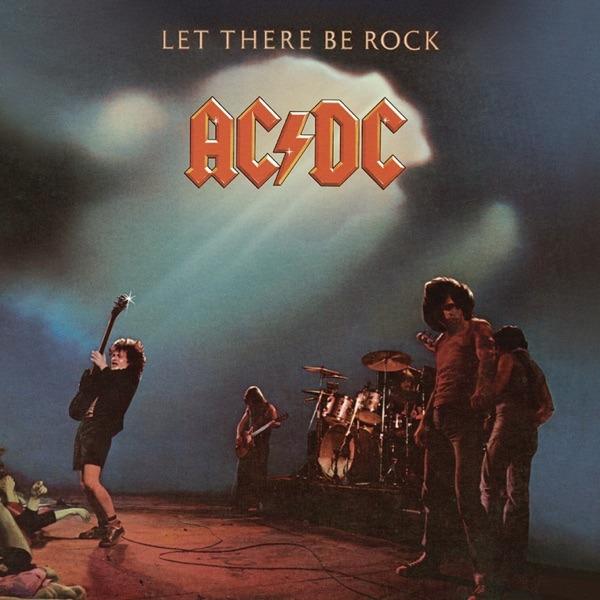
A swaggering rocker from Let There Be Rock, produced by Harry Vanda and George Young. Malcolm and Angus Young lock into a stomping open-chord riff, and Angus plays a short, fiery solo. Use a crunchy, mid-gain tone on the bridge pickup and let the open chords ring between the stabs.
Common Questions About the "Hell Ain't a Bad Place to Be" Tone
What guitar did AC/DC use on "Hell Ain't a Bad Place to Be"?
AC/DC tracked "Hell Ain't a Bad Place to Be" on a Gibson SG Standard (released 1977). Pickup selector: bridge pickup on the guitar. Tuned to standard (E A D G B E).
What amp settings does "Hell Ain't a Bad Place to Be" need?
On Marshall JMP 2203 Master Volume: Gain 6, Bass 6, Mid 6, Treble 6.5, Presence 6, Volume 7.5. Each value is on the standard 0–10 amp scale; match them on your amp first, then nudge to taste. ToneMirror can translate these positions for whatever amp you actually own.
Can I play "Hell Ain't a Bad Place to Be" without a Marshall JMP 2203 Master Volume?
Yes. ToneMirror takes the original recipe above and adapts it to your guitar, amp, and pedals - so you can chase the "Hell Ain't a Bad Place to Be" tone on a Katana, a Helix, a tube combo, or anything else. The translation accounts for EQ curve, gain structure, and pickup type so the result actually sounds like the record, not just the same knob numbers on different gear.
More Tones You Can Dial In
Tone references for "Hell Ain't a Bad Place to Be" by AC/DC are provided for educational use. ToneMirror is not affiliated with the artists or labels referenced.