How to Dial In "Spellbound" by AC/DC - Guitar Tone Settings
The Gear Behind "Spellbound"
Original Knob Positions, Pickup, and Tuning
Where to set the knobs for this tone. Each value is on the standard 0–10 amp scale.
These numbers are for a Super Lead. On your amp, they won't sound the same.
Get the settings for my ampHow the artist had their guitar configured for this take.
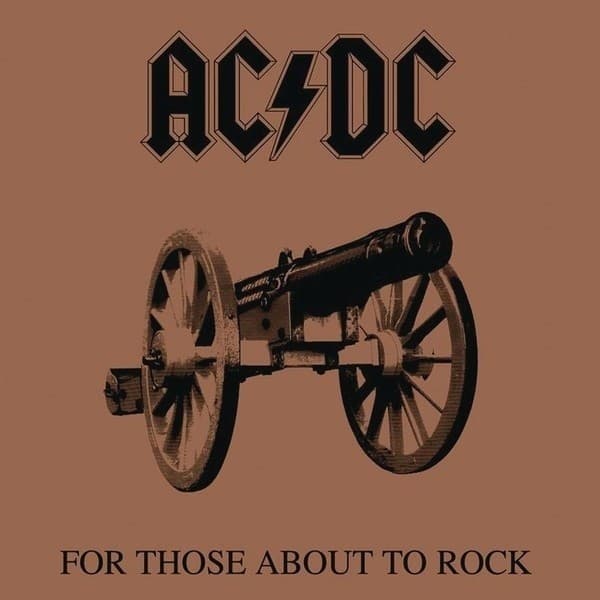
The closing track of For Those About to Rock We Salute You, released on 20 November 1981. Robert John "Mutt" Lange produced the album at the Family and H.I.S. studios in Paris between July and September 1981. Angus Young, Malcolm Young and Brian Johnson wrote it, and Angus and Malcolm Young play the guitars. Use the bridge humbucker into a Marshall-style amp with a medium crunch and let the moody, mid-tempo riff breathe. Standard tuning.
Common Questions About the "Spellbound" Tone
What guitar did AC/DC use on "Spellbound"?
AC/DC tracked "Spellbound" on a Gibson SG Standard (released 1981). Pickup selector: bridge pickup on the guitar. Tuned to standard (E A D G B E).
What amp settings does "Spellbound" need?
On a Super Lead: Gain 5.5, Bass 5, Mid 6, Treble 7.5, Presence 6.5, Volume 8. Each value is on the standard 0–10 amp scale; match them on your amp first, then nudge to taste. ToneMirror can translate these positions for whatever amp you actually own.
Can I play "Spellbound" without a Super Lead?
Yes. ToneMirror takes the original recipe above and adapts it to your guitar, amp, and pedals - so you can chase the "Spellbound" tone on a Katana, a Helix, a tube combo, or anything else. The translation accounts for EQ curve, gain structure, and pickup type so the result actually sounds like the record, not just the same knob numbers on different gear.
More Tones You Can Dial In
Tone references for "Spellbound" by AC/DC are provided for educational use. ToneMirror is not affiliated with the artists or labels referenced.